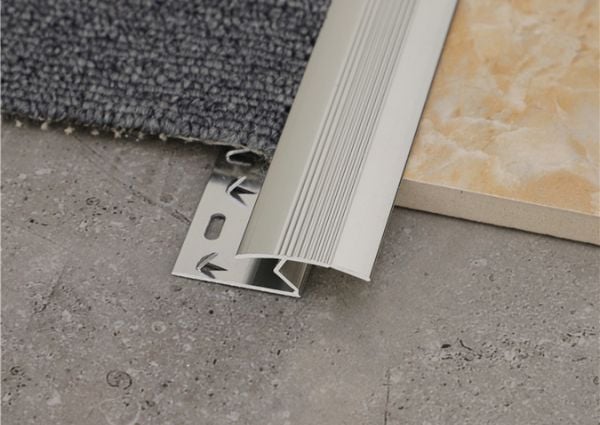

Selecting the right stair nosing is more than just a design choice—it is a strict compliance and durability requirement. Specify the wrong profile, and you risk failed safety inspections, chipped tile edges, and costly contractor callbacks.
At NIUYUAN, we extrude and manufacture architectural metal profiles daily for commercial builds worldwide. We see exactly where installation teams struggle on-site and where architects compromise on performance. This guide cuts through the marketing fluff. We will walk you through the exact steps to choose the right stair nosing types based on materials, profile shapes, and installation methods for your next project.
Step 1: Choose the Right Material Based on Traffic
The material you choose decides how long the stair nosing will last and how much it will cost. At NIUYUAN, we make metal profiles every day. We often see buyers lose money because they pick the wrong metal for busy stairs.

Aluminum Stair Nosing (The Most Popular Choice)
Aluminum stair nosing is the most popular choice in the world. It is light, does not rust easily, and is very easy for your workers to cut on-site. This makes aluminum material the perfect choice for busy offices, retail shops, and schools. Because it is so popular, it is very easy to find aluminum profiles that perfectly match your aluminum skirting boards and tile trims for a united room design.
As a manufacturer, our top advice is about outdoor projects. If you use aluminum stairs outside, always buy anodized aluminum. The anodizing process protects the metal from sun and rain, so the color stays beautiful for years without fading.

Stainless Steel Stair Nosing (For Heavy Duty & Clean Rooms)
When aluminum is not strong enough, you need Grade 304 or 316 stainless steel stair nosing. It can take heavy hits from carts and is very easy to wash with strong chemicals. This makes it a must-have for hospitals, food factories, airports, and train stations, especially when used together with strong stainless steel corner beads to protect the building walls.
However, stainless steel is very hard to cut. Your workers will spend more time installing it, which increases your labor costs. We only suggest using it when local building rules force you to have super clean or super strong stairs.

Brass Stair Nosing (The Luxury Look)
Architects choose brass stair nosing because it looks expensive and classic. As time passes, the brass color changes naturally and creates a very high-end, vintage look. It is the top choice for 5-star hotels, luxury houses, and classic building restorations.
Brass is a premium metal and costs a lot of money. We recommend choosing it only when your interior design needs a beautiful gold color to match dark wood steps or luxury floor transition strips.

Rubber and PVC Stair Nosing (The Cheap and Safe Choice)
Rubber and PVC stair nosing are soft, non-metal materials. They give great grip to stop people from slipping, and they hurt much less if someone falls. This makes them perfect for kindergartens, old people’s homes, and cheap stair repairs.
While PVC is very cheap and easy to install, it breaks much faster than metal. We only advise using rubber or PVC for indoor stairs where not many people walk every day.
| Material | How Long It Lasts | Easy to Cut? | Price Level | Best Place to Use |
|---|---|---|---|---|
| Aluminum | Long time | Very easy | Low-Medium | General offices and shops |
| Stainless Steel | Super long time | Hard | High | Hospitals and factories |
| Brass | Long time | Normal | Very High | Luxury hotels |
| Rubber/PVC | Short time | Very easy | Low | Kindergartens and homes |
Step 2: Choose the Installation Method (Tile-In vs. Retrofit)
How you install the stair nosing changes the final look and the labor cost. Based on our factory data, buyers choose between two main methods depending on their project stage.
Tile-In (Flush Mount) Stair Nosing — Best for New Floors
This type is installed during the flooring process. It has a metal leg with holes (called a punching flange). The contractor puts this leg into the cement or tile glue, and then places the tile over it.
Manufacturer’s Tip: Always choose Tile-In for new building projects. At NIUYUAN, we make sure the colors of our stair nosings exactly match our tile trims. This gives your whole floor a clean, united look.
Why use it: It creates a perfectly flat (flush) surface. The metal edge and the floor are at the exact same level. There are no bumps, which stops trip hazards completely. It looks very high-end.
Retrofit (Surface Mount) Stair Nosing — Best for Fast Renovations
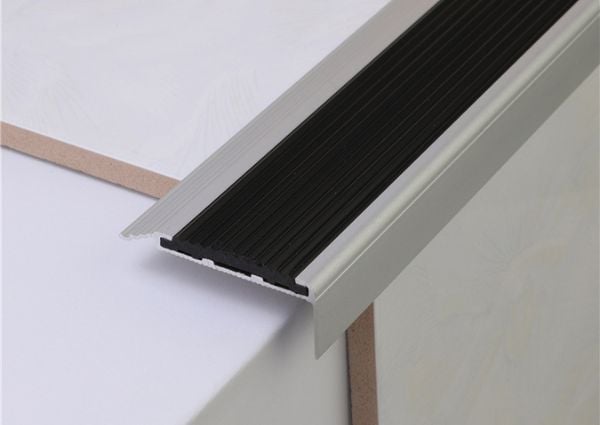
This type is installed on top of stairs that are already finished. It usually has an “L” shape. You fix it over the old stair edge using strong construction glue or screws.
- Why use it: It is the fastest way to fix old, broken, or slippery stairs. You do not need to remove the old tiles or wood.
- Manufacturer’s Tip: If you are upgrading an old school or office building, choose Retrofit. It saves hours of labor cost. If you use screws, make sure they sit completely flat inside the metal so people do not trip on them.
Step 3: Pick the Profile Shape for Safety and Design
The shape of the stair edge is very important to meet building safety rules and match your interior design. As a factory, we extrude many different metal shapes. Here are the five most common profile shapes you need to know.

Square Edge (The Modern Look)
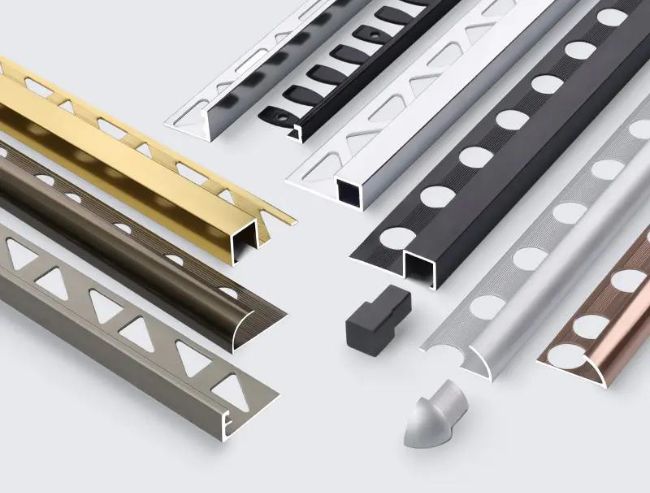
The square edge profile has straight, clean lines with a 90-degree angle. It is the top choice for modern office buildings, shopping malls, and luxury apartments. Designers love it because it matches perfectly with modern square tiles or luxury vinyl flooring (LVT), often pairing it with matching square edge tile trims for a united and beautiful floor design.
As a manufacturer, we often see this shape used with the “Tile-In” installation method. When installed correctly, it gives the stairs a very sharp, clean, and flush feeling without any bumps.
Bullnose or Half-Round (Classic and Safe)
The bullnose profile has a smooth, large round curve that wraps completely around the stair edge. It is the standard choice for schools, hospitals, elderly care homes, and stairs with thick carpets.
The biggest benefit of the bullnose shape is safety. If someone trips and falls on the stairs, the smooth round edge causes much less injury to their legs than a sharp square metal edge. It also protects the stair corner from breaking when heavy carts roll over it, working very much like our heavy-duty metal corner beads do for walls.
Pencil Round (The Safe Modern Choice)
This shape is a smart mix between a square edge and a bullnose. It looks like a square profile, but the very top corner has a tiny, smooth curve, just like the side of a pencil.
We highly recommend the pencil round shape for modern designs where a sharp 90-degree edge might be too dangerous. It gives you the beautiful straight lines of a modern design, but it is smooth enough to pass strict building safety rules.
L-Shape or Angle (The Fast Retrofit)
The L-Shape is the most basic and popular design for fast stair repairs. As the name says, it looks like the letter “L” and perfectly covers the 90-degree corner of an old step.
We always suggest the L-Shape profile when contractors need to fix old concrete or wood stairs quickly. Because it is a simple surface-mount design, your workers can easily glue or screw these aluminum angle profiles directly on top of the old floor, saving many hours of labor.
Rakeback or Slanted Edge (For Angled Stairs)
On some stairs, the vertical part of the step (the riser) does not go straight down. Instead, it goes back at an angle. If you use a standard square profile here, it will leave an ugly gap at the bottom.
To fix this problem, we produce the rakeback profile. The back part of this metal shape is slanted to fit perfectly against the angled step. It leaves zero gaps, making the stair finish look custom-made, solid, and very professional.
Step 4: Consider Advanced Features for Specific Needs
Sometimes standard metal shapes are not enough. Modern buildings often need extra safety features or a special design. As a factory, we extrude advanced stair edge solutions at NIUYUAN for these special commercial projects.

LED Illuminated Stair Nosing (For Dark Areas)
Many modern cinemas, bars, and luxury hotels need steps that light up in the dark. For these projects, we strongly suggest using LED stair nosing designed specifically for stairs. These special profiles hold an LED light strip safely inside the metal, stopping people from falling in the dark while giving the building a very modern and beautiful look.
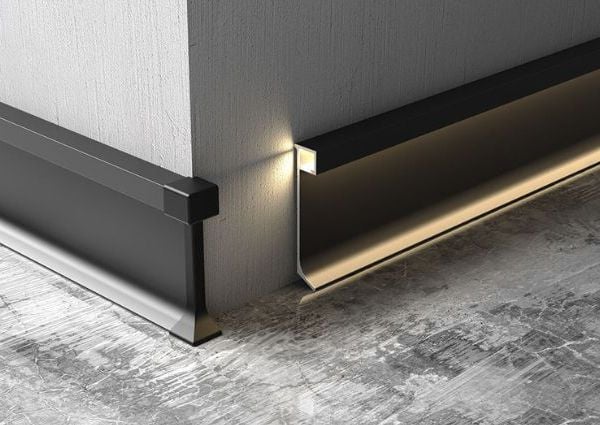
As a manufacturer, we design our LED stair nosing to protect the light strip from heavy walking and water. The light shines clearly, but the plastic cover is strong enough so the lights do not break when people step on them. They also pair perfectly with our illuminated LED skirting boards to create a complete and safe lighting system for your hallways.

Heavy-Duty Stair Nosing with Inserts (For Extreme Traffic)
If your project is a very busy public place, like a big train station, an airport, or a stadium, standard metal might become slippery after many years. For these high-traffic places, you must choose heavy-duty stair nosing. These are strong metal bases that hold a separate anti-slip strip made of rubber or strong carborundum.
The biggest benefit of this design is saving money in the future. When the anti-slip strip gets old, your workers do not need to take out the metal base. They only need to pull out the old strip and put a new one in. This makes future maintenance very fast and cheap, keeping your building safe with very low labor costs.
FAQs
What is the best stair nosing for outdoor stairs?
The best choice is anodized aluminum. The anodizing process protects the metal from heavy rain and prevents the color from fading under strong sun. Always specify outdoor-grade aluminum stair nosing to keep your exterior steps safe and rust-free.
Is stair nosing a legal requirement for commercial buildings?
Yes. Almost all countries legally require stair nosings in public buildings to protect public safety. Local building codes strictly control the slip resistance rating and color contrast. You must always check your local safety laws before choosing a profile type.
Can I install new stair nosing over my existing, old stairs?
Yes, by choosing a “Retrofit” (surface mount) profile. You do not need to remove the old floor. Workers simply use strong construction glue or screws to fix the metal directly over the existing step. This pairs perfectly with floor transition strips for fast renovations.
How do I choose a profile that is easy to maintain?
For busy commercial areas, choose a heavy-duty profile with a removable rubber insert. When the anti-slip surface gets old, you only need to pull out and replace the cheap rubber strip, saving you from buying and installing a whole new metal base.
Can NIUYUAN make a custom shape for my specific project?
Yes. Because NIUYUAN operates a direct extrusion factory, we can open new molds for your specific architectural designs. Simply send your CAD drawings, and you can contact our engineering team to get a fast price check on custom sizes and colors.
Conclusion
Choosing the right stair edge profile keeps your building safe, saves labor time, and makes your floors look perfect. Whether you need standard metal shapes for a busy office or luxury brass for a hotel, picking the right material and installation method is the key to a successful project. When you get these details right, you easily pass building inspections and avoid costly repairs in the future.
When you partner with NIUYUAN, you get top engineering quality without paying extra money to a middleman. Buying directly from our extrusion factory means you get lower B2B prices, fast global shipping, and profiles that perfectly match your tile trims and baseboards. Are you ready to upgrade your next commercial build? Contact our sales team today to get a free bulk quote, or ask for our 2026 product catalog to see all our metal designs.