
Struggling to sort through a pile of scrap metal? Some of it shines like brass, but you can’t be sure. A simple magnet might seem like the answer.
No, brass is not magnetic. Pure brass is an alloy primarily made of copper and zinc, neither of which are magnetic metals. If a magnet sticks to an item that looks like brass, it is not solid brass but likely a different metal coated with a thin brass plating.
So, the short and simple answer is no. But that probably brings up more questions, especially if you’re holding an item that looks just like brass but has a magnet firmly attached to it. What’s really going on? The difference is important, whether you’re a scrap dealer, a musician, or just a curious homeowner. Let’s dig in and figure out how to tell what you’ve really got.
How Can You Tell If It’s Brass?
You’ve found a beautiful, golden-colored metal piece. But is it the real deal? Fakes are common, and you want to be certain before you pay for solid brass.
To tell if an item is solid brass, start with a magnet; it should not stick. Also, check its color—brass has a distinct yellowish, gold-like hue. A scratch test in a hidden spot can also reveal if it’s plated; solid brass is yellow all the way through.
Knowing how to identify real brass is a handy skill. I remember buying what I thought were antique solid brass drawer pulls for a dresser I was restoring. They looked perfect, heavy and all. When I got home, a magnet I had on my workbench fell near them and—clink—it stuck right on. I had bought brass-plated steel. It was a cheap lesson to learn. You don’t have to learn it the hard way. There are a few reliable methods you can use to be sure.
The Magnet Test: Your First Line of Defense
This is the fastest and easiest test you can perform. Take any reasonably strong magnet and place it against the object.
- If the magnet does not stick: Congratulations, it’s very likely solid brass (or another non-ferrous metal like copper, aluminum, or bronze).
- If the magnet sticks: The item is not solid brass. It has a ferrous metal core, which is almost always steel.
Visual and Physical Checks
Before you do anything else, just look closely. Real brass has a specific appearance.
- Color: The color can range from a reddish-gold (if it has more copper, known as red brass) to a more muted silvery-yellow (with more zinc). It shouldn’t look like it has a shiny, perfect, almost “painted on” gold finish, which can be a sign of modern plating.
- Smell: Some people, myself included, can detect a faint, sharp metallic smell from brass, especially if you rub it with your fingers for a moment.
- Sound: Tap it with another piece of metal. Solid brass has a clear, ringing bell-like tone. Steel, by contrast, will have a duller, shorter “thud” sound.
The All-Important Scratch Test
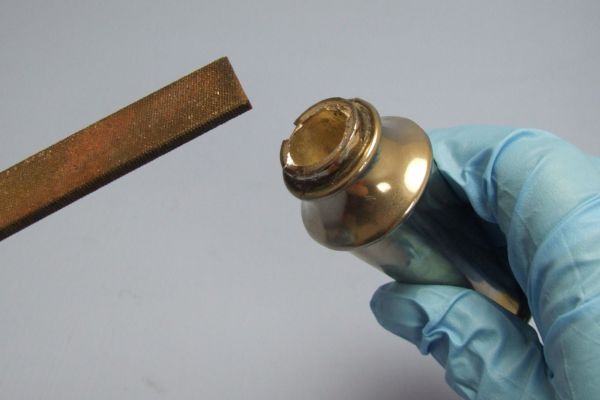
If you’re still not sure, and you can do so without ruining the piece, the scratch test is definitive. Find a small, hidden spot on the object, like the underside or back. Using a file or a sharp steel knife, make a small, deep scratch.
- Yellowish shavings and color: If the metal you expose under the surface is the same yellowish color, you have solid brass.
- Silvery, gray color: If you scratch it and reveal a silver or gray-colored metal underneath, you have a brass-plated object, usually steel or zinc.
Here is a simple table to help you keep things straight:
| Property | Solid Brass | Brass-Plated Steel |
|---|---|---|
| Magnetism | Not magnetic | Magnetic |
| Scratch Test | Yellowish metal underneath | Silvery/gray metal underneath |
| Sound (Tap) | Clear, ringing tone | Dull thud |
| Color | Muted, natural yellow-gold | Can be overly shiny or “fake” looking |
What Looks Like Brass But Is Magnetic?
You’re holding a golden-toned doorknob, and your magnet snaps right onto it. Is it some rare, magnetic type of brass? You feel confused because it looks so convincing.
The most common material that looks like brass but is magnetic is brass-plated steel. This is made by electroplating a very thin layer of real brass over a much cheaper and stronger steel core. The magnet is attracted to the steel inside, not the brass on the outside.
This is an extremely common practice in manufacturing. I see it all the time on things from decorative screws to bathroom faucets to cheap musical instrument parts. It’s a way for companies to get the classic, elegant look of brass without the high cost of using solid brass. The steel core also often provides more strength and durability than solid brass would, so it’s not always just about cutting costs. But for someone trying to determine value, like a scrap metal collector, the difference is huge.
The World of Metal Plating
Plating is a process where a thin layer of one metal is deposited onto the surface of another. In our case, a brass layer is bonded to a steel object. This layer can be incredibly thin, often just a few microns. The goal is usually one of two things:
- Cosmetics: To make a less expensive metal (steel) look like a more expensive or desirable metal (brass).
- Corrosion Resistance: To protect the underlying steel from rusting. While brass tarnishes, it doesn’t rust and fall apart like unprotected steel.
Because the brass layer is so thin, it has no effect on the magnetic properties of the core material. The magnetic field passes right through the non-magnetic brass and grabs onto the highly magnetic steel core. This is why the magnet test we talked about earlier is so effective.
Common Suspects: Where You’ll Find It
You’ll find brass-plated steel in a huge number of applications. Keep an eye out for it in:
- Furniture Hardware: Knobs, pulls, hinges, and decorative accents.
- Plumbing & Light Fixtures: Many “brass” faucets, lamps, and ceiling fan parts are plated steel.
- Musical Instruments: Especially on student models, parts like horn bells or hardware might be plated.
- Fashion: Belt buckles, buttons, and cheap costume jewelry often use this method.
- Ammunition: Some steel shell casings are given a thin brass wash for better function and corrosion resistance.
Here is a quick comparison:
| Feature | Solid Brass | Brass-Plated Steel |
|---|---|---|
| Core Material | Brass (Copper & Zinc) | Steel (Iron & Carbon) |
| Surface | Brass | Brass |
| Magnetic? | No | Yes |
| Weight | Heavy for its size | Also heavy, can be deceptive |
| Value (Scrap) | High | Low (priced as steel) |
Is There a Magnet to Pick Up Brass Casings?
You’ve spent a day at the range, and the ground is littered with your spent casings. Your back hurts just thinking about picking them all up. A big magnet on a stick seems like the perfect solution.
No, you cannot use a standard magnet to pick up brass casings because brass is not a magnetic metal. Magnetic pickup tools will only work on steel-cased ammunition. Shooters use mechanical tools like rollers, rakes, or grabbing tools to collect brass casings.
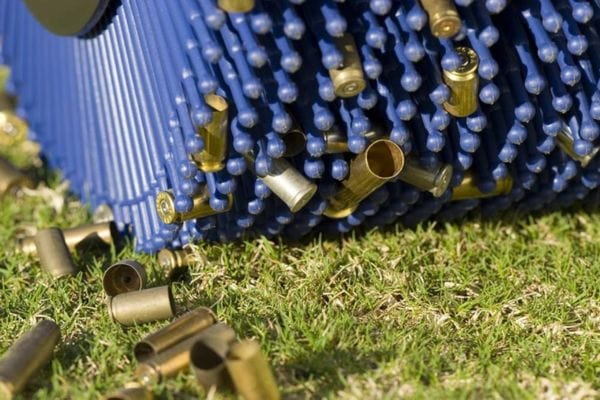
This is a question I hear a lot from new shooters. It’s an easy mistake to make. You see people at the range with pickup tools, and it’s natural to assume they’re magnetic. I once brought a big magnetic sweeper to a training class, thinking I’d be clever and clean up my mess in seconds. I spent the next minute just dragging it through my brass pile with absolutely nothing happening, while my friends had a good laugh. The only thing it picked up was one stray steel case from another shooter.
Why Brass is the King of Casings
There’s a good reason why brass is the top choice for ammunition casings, especially for reloaders.
- Malleability: When a round is fired, the casing needs to expand instantly to perfectly seal the chamber, preventing hot gas from blowing back. Brass does this perfectly.
- Ductility: After expanding, it needs to be able to be pulled out by the extractor without ripping or breaking. Again, brass is ideal.
- Reloadable: Its softness allows it to be resized, cleaned, and reloaded with a new primer, powder, and bullet multiple times.
- Corrosion Resistant: It doesn’t rust, which is important for long-term storage and reliability.
The Steel Casing Exception
While brass is premium, it’s also more expensive. To save money, some manufacturers produce ammunition with steel casings. These are especially common in certain calibers imported from Eastern Europe. These casings are magnetic. You can easily tell them apart from brass with a magnet. They are often coated with a lacquer or polymer to prevent rust, giving them a slightly dull or even greenish appearance, though some are “brass-washed” (coated with a very thin brass layer) which can make them look similar to true brass casings. Most reloaders avoid steel cases as they are much harder on reloading equipment and are not easily resized.
The Right Tools for Collecting Brass
So if a magnet won’t work, what do you use? People who collect a lot of brass have some clever tools.
- Nut Gatherers / Brass Pickers: These look like cages on the end of a stick. You roll them over the casings, and the wires of the cage flex to let the casings in but not out.
- Grabbing Tools: Simple claw-like tools on a long handle that let you pick up casings without bending over.
- Rakes and Shovels: The low-tech solution is simply a fine-toothed rake and a dustpan. It’s old-fashioned but effective.
| Casing Type | Material Composition | Magnetic? | Reloadable? | Common Appearance |
|---|---|---|---|---|
| Brass Casing | Copper and Zinc | No | Yes, easily | Shiny, yellowish-gold |
| Steel Casing | Steel | Yes | No, not recommended | Dull, often lacquer/polymer coated |
Conclusion
To sum it all up: Brass is not magnetic. If your magnet sticks, you have brass-plated steel. For gathering casings, you need a mechanical tool, not a magnet, unless they’re steel.