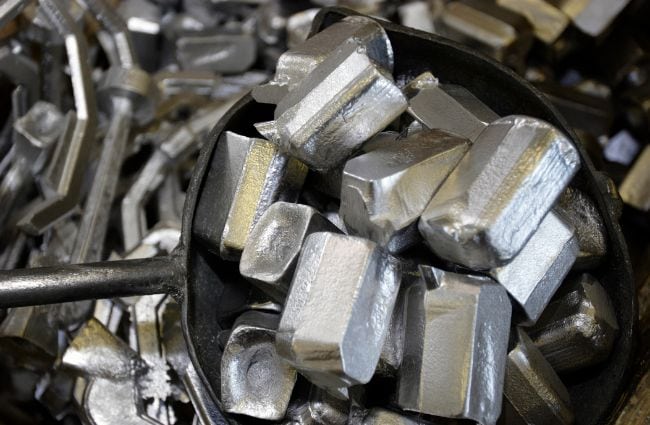
Aluminum is a versatile metal that is widely used in construction, aerospace and manufacturing due to its high strength, low weight and corrosion resistance. One of its key properties is its melting point, the temperature at which it changes from a solid to a liquid state. For pure aluminum, this temperature is 660.3°C (1220.54°F). Compared to other metals such as iron (1538°C) or copper (1085°C), aluminum has a relatively low melting point, which makes it easier to process in processes such as casting, welding and forming.
However, in practice, aluminum is usually used in the form of an alloy, i.e. a mixture of aluminum with other elements such as copper, magnesium or silicon. The melting point of these alloys varies depending on the composition, which affects their performance in high-temperature environments. Here is a table of some common aluminum alloy types and their melting point ranges:
| Aluminum Alloy Model | Melting Point Range (°C) |
|---|---|
| 1100 | 643 – 657 |
| 2024 | 500 – 635 |
| 3003 | 640 – 655 |
| 5052 | 605 – 650 |
| 6061 | 580 – 650 |
| 7075 | 475 – 635 |
| 356.0 (Casting) | 557 – 613 |
| 6063 | 615 – 655 |
| 2011 | 535 – 643 |
| 5083 | 570 – 640 |
These alloys are designed for specific purposes. For example:
- 2024: Due to its high strength, it is often used in aircraft structures.
- 5052: Because of its corrosion resistance, it is often used in hydraulic systems and marine environments.
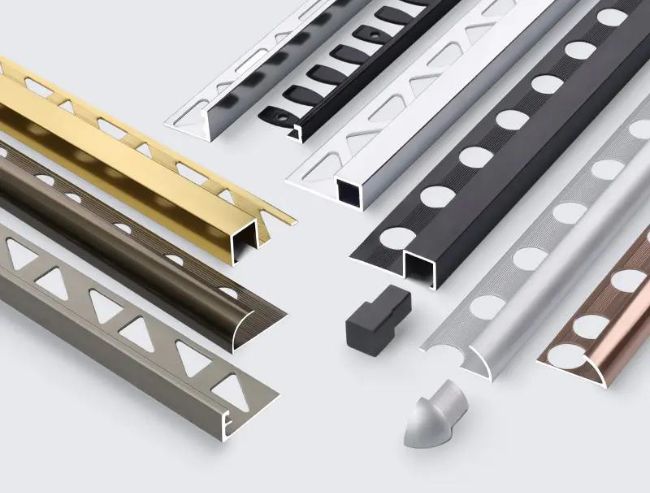
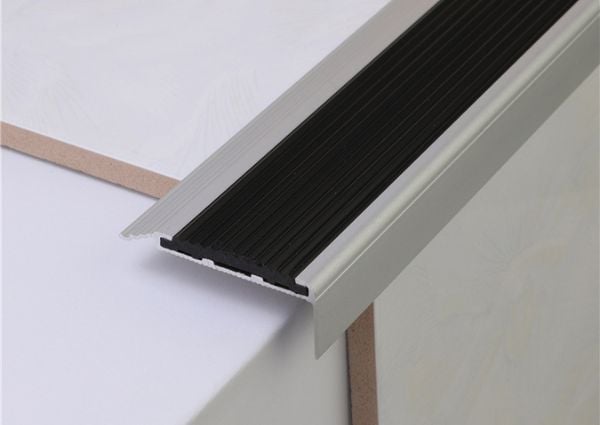
- 6063: It is known as “architectural aluminum” and is used in applications such as doors and windows, tile trims, LED profiles, etc.
- 7075: Due to its high strength-to-weight ratio, it is suitable for aerospace components.
Changes in the melting point of an alloy are caused by the addition of different elements. For example, the addition of copper can improve strength but may lower the melting point, while other elements may enhance heat resistance. Understanding these differences is critical to selecting an alloy suitable for a particular application to ensure that the material retains its integrity under the intended temperature conditions.