
Are you confused about which material to choose for your tile trim? Look no further, this ultimate guide will help you.
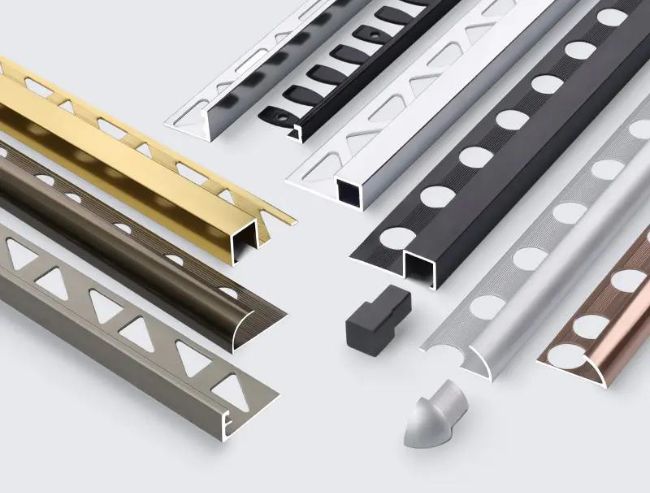
The best materials for tile trim include aluminum, stainless steel, brass, and PVC for their durability and versatility. Natural stone and ceramic offer a seamless look, while artificial stone and composite materials provide innovative and budget-friendly alternatives. Each material offers a unique blend of style, durability, and price.
Aluminum Tile Trim

Stainless Steel Tile Trim
For my own kitchen backsplash, I chose stainless steel tile trim. I have a lot of stainless steel appliances, and I wanted a cohesive, modern aesthetic. The trim I picked had a brushed finish that matched my refrigerator and dishwasher perfectly. It was the little detail that tied the whole room together.

Brass Tile Trim
There’s something about brass that just exudes luxury. I used brass tile trim in a master bathroom project recently, and it completely transformed the space. The warm, golden tones of the brass created a beautiful contrast with the deep blue subway tiles we had chosen. It gave the room a touch of vintage elegance that the client adored.

Brass is a very durable material, similar to stainless steel. It holds up well in high-traffic areas and is resistant to corrosion. Over time, it can develop a natural patina, which can be a desirable characteristic for some design styles. If you prefer the bright, polished look, it does require a bit more maintenance to prevent tarnishing.
Like stainless steel, brass is on the pricier side. It’s a premium material that adds a touch of sophistication to any project. The installation can also be a bit more demanding due to its hardness. However, if you are looking to make a statement and create a truly high-end look, brass tile trim is an excellent choice. I find it works especially well in Art Deco or traditional designs.
PVC Tile Trim
I often recommend PVC tile trim for projects where budget is the main concern. I once helped a friend update his rental property, and we used PVC trim throughout the kitchen and bathroom. It’s incredibly affordable and comes in a wide range of colors, making it easy to find a match for any tile.

The best thing about PVC is how easy it is to work with. It’s lightweight and can be cut with basic hand tools, making it perfect for DIY projects. It’s also completely waterproof, so it’s a natural fit for wet environments. We were able to finish all the trim work in a single afternoon.
Of course, PVC is not as durable as metal. It can scratch or crack under heavy impact, and it doesn’t offer the same high-end look as materials like brass or stainless steel. Some lower-quality PVC trims can also fade or become brittle over time, especially if exposed to direct sunlight. But for a quick, easy, and budget-friendly solution, PVC is a fantastic option.
Natural Stone Tile Trim
When I want to create a seamless, organic look, I turn to natural stone tile trim. For a recent fireplace surround I designed, we used travertine tiles. Instead of a metal or plastic edge, we used matching travertine pencil liners. The result was a beautiful, monolithic look where the trim blended perfectly with the tiles.

Using the same material for both the tile and the trim creates a very cohesive and high-end design. Natural stone, like marble, granite, or slate, offers unparalleled beauty and uniqueness. Each piece has its own variations in color and veining, which adds a lot of character to a project. The edges of the stone can also be bullnosed or shaped on-site for a custom finish.
The downside is that natural stone is one of the most expensive options. It’s also porous and requires sealing to protect it from stains and moisture, especially in kitchens and bathrooms. Installation is also more labor-intensive and requires a skilled professional. But for a truly luxurious and timeless finish, the beauty of natural stone is hard to beat.
Artificial Stone Tile Trim
Artificial stone tile trim, or engineered stone, is a great alternative to natural stone. I used an artificial quartz trim on a kitchen countertop project. The client loved the look of marble but was worried about its maintenance. The engineered quartz gave them that classic marble look without the porosity and staining concerns.

This material is made from crushed stone mixed with resin. This makes it incredibly durable, non-porous, and resistant to scratches and stains. It’s a very practical choice for busy areas. It also comes in a huge array of consistent colors and patterns, which makes it easier to match tiles and slabs.
While it is often more affordable than high-end natural stone, it can still be more expensive than ceramic or PVC options. Some people also feel that it lacks the unique character and depth of natural stone. However, for those who want the look of stone with added durability and lower maintenance, artificial stone trim is an excellent compromise.
Ceramic Tile Trim
Ceramic tile trim is the classic choice for a reason. It is designed to perfectly match its corresponding field tile in color, glaze, and texture. I’ve used ceramic bullnose pieces on countless projects to create a soft, rounded edge on walls and countertops. It provides a very traditional and clean finish.

The main benefit of ceramic trim is the perfect match. You don’t have to worry about finding a metal or PVC trim that complements your tile; you can just use the trim from the same collection. It’s also quite durable and easy to clean. There are many different shapes available, from the common bullnose to more decorative options like pencil and chair rail moldings.
However, the selection can sometimes be limited to the collections that manufacturers produce. If you are using a unique or artisanal tile, you might not find a matching ceramic trim. It can also be more expensive than PVC or aluminum options. And like any ceramic, it can chip or crack if it’s hit hard enough.
How to Choose the Right Material?
Choosing the right tile trim really comes down to three things: where you’re using it, what your budget is, and the look you’re trying to achieve.
First, think about the location. For a high-traffic floor or a busy kitchen counter, you need something strong like stainless steel or artificial stone. For a bathroom or shower, moisture resistance is key, so materials like PVC, aluminum, or stainless steel are great choices.
Next, consider your budget. PVC is the most affordable option, making it great for large projects or quick updates. Aluminum offers a great balance of style and price. Materials like brass and natural stone are more of an investment, but they create a very high-end look.
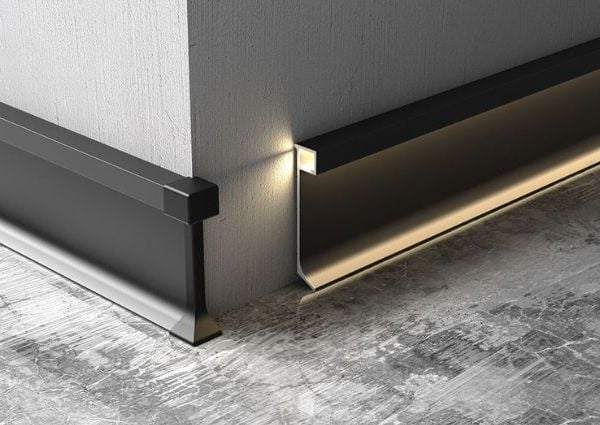
Finally, think about your design. Do you want the trim to blend in or stand out? A matching ceramic or natural stone trim will create a seamless look. A contrasting metal trim, like black aluminum against white tile, can create a bold, modern statement. Brass can add a touch of warmth and luxury. The right trim is the one that not only protects your tile but also completes your vision for the space.
Find the Best Tile Trims for Your Project with NIUYUAN Trims
With a wide range of tile trims on the market today, choosing the right product can be confusing, and NIUYUAN Trims is the brand you can trust to provide you with high-quality, innovative tile trims. NIUYUAN Trims was founded in 2006 and is a local company with roots in China. NIUYUAN Trims also provides professional customized production services, including OEM and ODM, to meet your diverse needs.
Contact the NIUYUAN Trims customer service team today to easily find the innovative tile decorating solutions you need to complete your project!