Worried your brand-new tile job will be ruined by ugly rust stains? It’s a common fear that can make any homeowner hesitate before choosing metal tile trim.
No, aluminum tile trim does not rust. Rust is specifically iron oxide, a reaction that happens when iron is exposed to oxygen and moisture. Since aluminum contains no iron, it cannot rust. However, aluminum can and does corrode, which looks like a chalky, white powder.
I remember the first time I saw this on a job site. The client was panicking, thinking the trim was rusting. I had to explain that while it wasn’t rust, it was still something we needed to address. It’s a key difference to understand, especially when you’re deciding on materials for a bathroom or kitchen. So, if it’s not rust, what exactly is happening to the aluminum, and why? Let’s dive in and figure out how to keep your tile work looking perfect for years to come.
Does Aluminium Trim Rust?
You’ve finally picked the perfect tiles, but now you’re stuck on the trim. You hear the word “metal” and your mind immediately jumps to ugly, reddish-brown rust stains.
To be perfectly clear, aluminium trim will not rust. Rusting is a very specific chemical process that only happens to metals containing iron, like steel. Aluminium undergoes a different process called oxidation or corrosion. It won’t ever turn into that flaky, orange mess you associate with rust.

Let’s get into the nitty-gritty of why this is. I think understanding the basic science helps you make better choices for your home. It’s not as complicated as it sounds.
Rust vs. Corrosion
Rust is the common name for a compound called iron oxide ($Fe_2O_3$). It forms when iron or steel is exposed to oxygen and water. The big problem with rust is that it’s flaky and brittle. It expands as it forms, flakes off, and exposes fresh metal underneath to start rusting all over again. This process just keeps eating away at the metal until it’s gone.
Aluminum, on the other hand, also reacts with oxygen in the air. But instead of rust, it forms aluminum oxide ($Al_2O_3$). This layer is actually a good thing! It’s super thin, very hard, and sticks firmly to the surface. It creates a protective shield that stops any further corrosion from happening. It’s like the aluminum builds its own armor.
| Feature | Rust (Iron Oxide) | Aluminum Corrosion (Aluminum Oxide) |
|---|---|---|
| Appearance | Reddish-brown, flaky | Chalky white or grey powder |
| Cause | Iron + Oxygen + Water | Aluminum + Oxygen |
| Effect | Destructive, flakes away | Protective, forms a hard layer |
| Metal Affected | Iron and Steel | Aluminum |
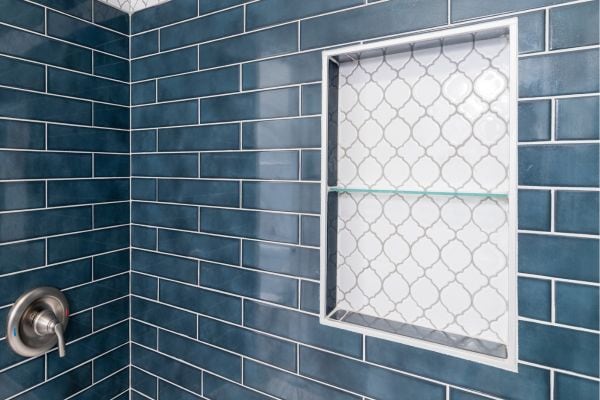
I once worked on a bathroom remodel where the homeowner had used a cheap, no-name metal trim around her shower niche. Within two years, it was covered in that chalky white buildup. It wasn’t “rust,” but it still looked bad. We replaced it with a quality anodized aluminum trim, and the problem was solved.
Will Metal Tile Trim Rust?
When you’re looking at a wall of trim options, seeing the label “metal” can feel like a gamble. Will it hold up in a wet bathroom, or will you regret your choice?
It really depends on the specific type of metal. Aluminum and stainless steel tile trims are excellent choices because they are highly resistant to rust. But, if you choose a trim made from plain steel or another iron-based alloy without a protective coating, it will absolutely rust.

You have to be careful about what you’re buying. Not all metal trims are created equal. I’ve seen some horror stories where a contractor tried to save a few bucks by using the wrong type of trim, and it ended up costing the homeowner a lot more to fix the resulting damage. Let’s break down the most common options so you know what to look for.
Common Metal Tile Trim Materials
Here’s a simple breakdown of the metal trims you’ll likely find at the hardware store.
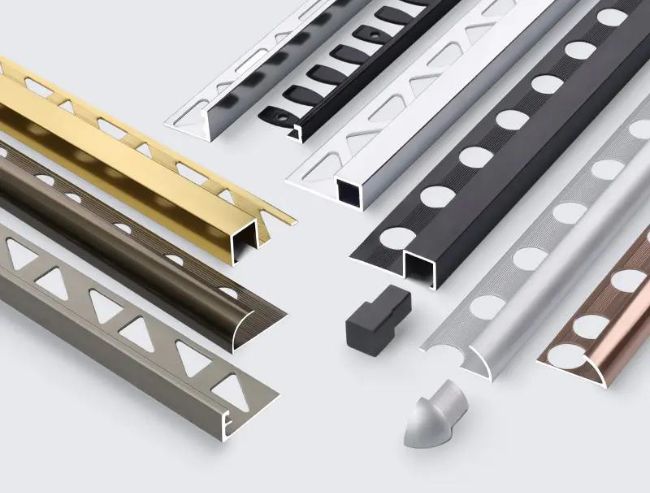
- Aluminum: As we’ve covered, it doesn’t rust but can corrode into a white powder. It’s lightweight, easy to cut, and affordable. For most indoor applications, especially in its anodized form, it’s a fantastic choice.
- Stainless Steel: This is another great option. The chromium in the alloy creates a passive, rust-resistant layer. It’s tougher and more scratch-resistant than aluminum. You’ll often see different grades, like 304 and 316. Grade 304 is perfect for most kitchens and bathrooms. Grade 316 has added molybdenum for even more corrosion resistance, making it the best choice for pools, steam rooms, or coastal homes with salt in the air.
- Brass: Brass is an alloy of copper and zinc. It will not rust. However, it will tarnish or develop a patina over time, which can be a dark brown or even greenish color. Some people love this aged look, but if you want it to stay bright and shiny, it will require regular polishing.
I always tell my clients to spend the extra few dollars for either stainless steel or anodized aluminum. It’s a small part of the overall project cost, but it makes a huge difference in the long-term durability and appearance of your tile work.
Can You Use Aluminium Tile Trim Outside?
Taking your tile project outdoors opens up a world of possibilities, like a beautiful patio or an outdoor kitchen. But you need a trim that can handle the weather.
Yes, you can definitely use aluminum tile trim outside, but you have to use the right kind. For any outdoor project, you should only use anodized aluminum. Standard, raw aluminum will corrode much more quickly when it’s exposed to rain, humidity, and temperature changes.

I learned this lesson the hard way early in my career. I used a standard mill-finish aluminum tile trim on a small outdoor step. Within a year, it was pitted and covered in that white oxide layer. It looked terrible. Since then, I only use anodized finishes for exterior work. Let me explain why it makes such a huge difference.
What is Anodizing?
Anodizing isn’t a coating like paint. It’s an electrochemical process that builds upon the aluminum’s natural oxide layer. The aluminum part is submerged in an acid bath and an electric current is passed through it. This opens up the pores of the surface and grows the protective oxide layer, making it much, much thicker and more durable than the one that forms naturally in the air. This new layer is fully integrated into the aluminum; it can’t chip or peel off.
This super-strong layer gives the aluminum tile trim several key advantages for outdoor use:
- Enhanced Corrosion Resistance: It can stand up to rain, salt spray, and pollution far better than raw aluminum.
- UV Stability: Anodized finishes are not broken down by sunlight. They won’t fade or get chalky from UV exposure like a painted finish might.
- Abrasion Resistance: The anodized surface is very hard, second only to diamond, making it resistant to scratches from patio furniture or foot traffic.
When planning an outdoor tiled area for a client’s coastal home, we exclusively used a marine-grade anodized aluminum trim. Years later, despite the constant salt spray, it looks as good as the day we installed it. It’s proof that choosing the right material from the start is the most important step.
Will Aluminum Rust Outside?
It’s a straightforward question that’s critical for your outdoor project’s success. Will that clean aluminum edge turn into a rusty mess after a few seasons outside?
No, aluminum will never rust, whether it’s inside or outside. Rust is iron oxide. But, and this is a big “but,” aluminum will corrode outside, and sometimes quite aggressively. This corrosion will show up as pitting or that familiar chalky white powder.

The outdoor environment is much harsher than the inside of your home. Moisture is more constant, and there are other corrosive agents to worry about. So while you don’t need to worry about rust, you absolutely need to plan for and prevent corrosion.
Galvanic Corrosion: A Hidden Danger
One of the biggest risks for aluminum outside is something called galvanic corrosion. This happens when two different types of metal are in physical contact with each other in the presence of an electrolyte (like rainwater or even just humidity). The metals essentially create a battery, and one of the metals (the less noble one) corrodes at a very accelerated rate. Aluminum is a “less noble” metal compared to many others, like steel, copper, or brass.
This is why you have to be so careful with your fasteners! If you use steel screws to attach an aluminum trim, the aluminum right around the screws will corrode very quickly. I’ve seen it happen. The area turns white and puffy and eventually fails. For any outdoor aluminum installation, you must use either aluminum or stainless steel fasteners to avoid this problem.
Environmental Factors Matter
The speed and severity of corrosion depend heavily on your local environment.
| Environment | Effect on Raw Aluminum | Recommendation |
|---|---|---|
| Dry, Inland | Very slow, mostly cosmetic corrosion over many years. | Standard aluminum might be okay, but anodized is better. |
| Humid, Rainy | Moderate corrosion, white powder will form. | Anodized aluminum is highly recommended. |
| Coastal/Salty Air | Aggressive pitting and corrosion due to salt. | Anodized or powder-coated finish is essential. |
| Industrial/Polluted | Can be aggressive due to acid rain and pollutants. | Anodized or powder-coated finish is essential. |
So, the bottom line is this: while your aluminum trim will never “rust,” it can still degrade and look bad outside if you don’t use the right product. Always opt for an anodized or a high-quality powder-coated finish for outdoor applications to protect your investment.
Conclusion
In short, aluminum trim won’t rust but it can corrode. Choose the right type, especially anodized aluminum for outdoor or wet areas, to keep your tile looking great.
If your business needs to purchase or customize aluminum tile trims, please feel free to contact us at any time.