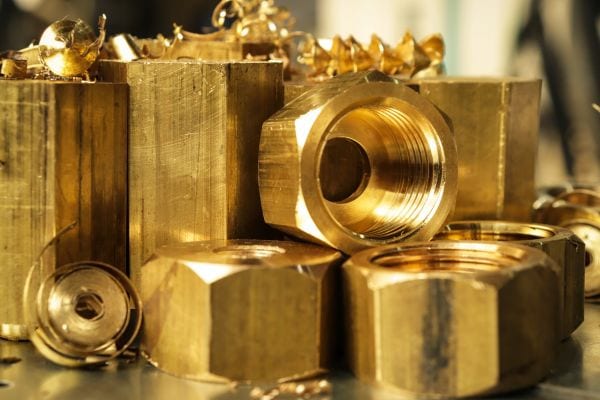
Struggling to find a material that’s both strong and beautiful? You need something versatile for your project, but the options seem endless. Brass might just be the perfect solution.
Brass is an incredibly versatile metal alloy used for everything from musical instruments and plumbing fittings to ammunition casings and decorative hardware. Its unique combination of durability, corrosion resistance, and workability makes it a popular choice across many industries.
I’ve always been fascinated by brass. My grandfather was a plumber, and I remember the shine of new brass fittings in his workshop. He used to say, “This stuff is built to last.” That early memory sparked my interest in this amazing alloy. It’s more than just a metal; it’s part of our daily lives in ways we often overlook. Let’s dive deeper into what makes brass so special and explore its many applications.
What is the Most Commonly Used Brass?
Ever wondered which type of brass shows up the most in everyday items? With so many variations, it’s easy to get lost. The answer is simpler than you might think.
The most commonly used brass is Cartridge Brass, also known as C260 or 70/30 brass. Its excellent cold-working properties and strength make it ideal for a huge range of applications, especially for ammunition casings, hardware, and automotive parts.

When people talk about “brass,” they’re often thinking of Cartridge Brass (C260) without even knowing it. I once worked on a restoration project for a vintage car, and I was amazed at how many small parts—from the radiator to electrical connectors—were made of this specific alloy. It’s a true workhorse. But it’s not the only important one. Another very common type is Free-Machining Brass (C360). The key difference is a small addition of lead, which makes it incredibly easy to cut and shape on a machine. This is a huge deal for manufacturing complex parts quickly and cheaply.
Breaking Down Common Brass Alloys
To really get it, let’s look at them side-by-side. The names tell you a lot about what they’re made of. For example, C260 is about 70% copper ($Cu$) and 30% zinc ($Zn$). C360 has a bit less copper and adds a little lead ($Pb$).
| Alloy Name | UNS Code | Common Composition | Key Properties | Typical Uses |
|---|---|---|---|---|
| Cartridge Brass | C26000 | 70% $Cu$, 30% $Zn$ | Excellent ductility, strength, corrosion resistance. | Ammunition casings, hardware, radiators. |
| Free-Machining Brass | C36000 | 61.5% $Cu$, 35.5% $Zn$, 3% $Pb$ | Outstanding machinability, good strength. | Fittings, valves, gears, screw machine parts. |
| Red Brass | C23000 | 85% $Cu$, 15% $Zn$ | Excellent corrosion resistance, rich red color. | Plumbing pipes, faucets, decorative items. |
Choosing the right one depends entirely on the job. For something that needs to be bent and shaped, like a trumpet bell, C260 is perfect. For a complex part like a plumbing valve that needs lots of precise cuts, C360 is the go-to.
What are The Disadvantages of Brass?
Thinking brass is the perfect metal for every job? It’s strong and looks great, but it has weaknesses. Ignoring these can lead to project failure and unexpected costs down the line.
The main disadvantages of brass include its susceptibility to dezincification, where zinc leaches out of the alloy, and stress corrosion cracking. It is also not suitable for use with strong acids or ammonia, which can cause it to degrade quickly.

I learned about brass’s limits the hard way. I once used a standard brass fitting for a small fountain I built in my backyard. Everything looked great for about a year. Then, I noticed a fine green powder and small cracks appearing. The fitting eventually failed and caused a leak. This was a classic case of dezincification. The chlorine in the city water was slowly pulling the zinc right out of the brass, leaving behind a weak, porous copper structure. It was a valuable lesson: the environment where you use brass matters a lot.
Understanding Brass’s Weak Points
Let’s break down the two biggest problems you might face when working with brass. They sound technical, but the ideas are pretty simple.
Dezincification
This is brass’s kryptonite, especially for brasses with a higher zinc content (like C360). When exposed to even mildly acidic or chlorinated water, the zinc atoms can be selectively removed from the alloy.
- What it looks like: The brass loses its yellow color and turns reddish. It might also have a white or green powdery residue on the surface.
- What it does: It makes the metal weak and porous, almost like a sponge. This leads to leaks and structural failure. This is why for critical plumbing applications, you’ll often see DZR (Dezincification Resistant) brass specified.
Stress Corrosion Cracking (SCC)
This is a more sneaky failure. It happens when brass is under tension (being pulled or stressed) and exposed to a specific corrosive substance, most famously ammonia.
- What it looks like: Fine cracks appear in the metal, often without any other obvious signs of corrosion.
- What it does: The part can suddenly break without warning, even under normal loads. I’ve heard stories from old-timers about brass ammunition casings from decades ago that would suddenly split open in storage because of tiny amounts of ammonia in the air. This is why proper material selection and stress management are critical in engineering.
Why is Brass So Expensive?
Ever get sticker shock when buying brass hardware? You see a simple valve or fitting and wonder why it costs so much more than steel or plastic. The price isn’t arbitrary.
Brass is expensive primarily because its main component, copper, is a valuable commodity with a fluctuating market price. The costs of mining, refining, and alloying it with zinc, plus the energy-intensive manufacturing processes, all contribute to its higher price tag.

When I was pricing materials for a custom bookshelf with brass accents, I was taken aback by the cost. The raw brass bars were significantly more expensive than the equivalent steel ones. My supplier explained it to me pretty simply. He said, “You’re mostly paying for the copper.” The price of copper can swing wildly based on global supply and demand, mining operations, and even international politics. Since brass is typically 60-70% copper, its price is directly tied to this volatile market. You’re not just buying a piece of metal; you’re buying a piece of a global commodity.
The True Cost of Brass
The final price you pay for a brass item is a mix of a few key things. It’s not just the raw metal. 💰
Raw Material Costs
This is the biggest factor.
- Copper ($Cu$): As we talked about, copper is the main ingredient and its price is set on global markets like the London Metal Exchange (LME). High demand from construction and electronics keeps the price up.
- Zinc ($Zn$): While cheaper than copper, zinc is still a globally traded metal with its own price fluctuations.
- Other Elements: Sometimes small amounts of lead ($Pb$) or tin ($Sn$) are added to create specific properties, adding to the base material cost.
Manufacturing and Energy
Turning raw metals into a finished product takes a lot of work and energy.
- Alloying: Melting copper and zinc together in a furnace to create the brass alloy requires a massive amount of heat, which means high energy bills.
- Forming: Whether the brass is cast into a shape, extruded into a rod, or rolled into a sheet, these manufacturing processes require heavy machinery and skilled labor, adding to the cost. The complexity of the final part plays a huge role here. A simple screw will be much cheaper than an intricate, machined valve body.
Thankfully, brass is highly recyclable, which helps offset some of these costs. Recycled brass scrap requires much less energy to melt down and reuse compared to creating new alloy from raw ore.
What Industry Uses the Most Brass?
You see brass everywhere, from your keys to your light fixtures. But which industry is the biggest consumer? The answer points to a fundamental part of modern life we all rely on.
The plumbing and construction industries are the largest users of brass. It’s used to make countless essential components like faucets, valves, pipe fittings, and hardware due to its durability, corrosion resistance, and aesthetic appeal. 💧

My grandfather’s plumbing business was a testament to this. His truck was filled with bins of brass parts. He trusted it because it wouldn’t rust like iron and could handle the constant exposure to water for decades. The sheer volume of brass used just to get water to a single sink—and for all the visible hardware in a house—is staggering. When you multiply that by every house, office, and factory, you start to see why these sectors are the top consumers.
A Breakdown of Brass Usage by Industry
While plumbing and construction are the kings, brass is a critical material in several other major sectors. Its unique electrical and acoustic properties make it irreplaceable for certain applications.
Top Industries Using Brass
- The Plumbing Industry: This is an absolute giant when it comes to brass consumption. The industry relies on brass for its incredible corrosion resistance, especially when handling different types of water for decades. It’s used for faucets, valves that control water flow, and countless pipe fittings (elbows, tees, connectors). The development of DZR (Dezincification Resistant) brass was a game-changer for ensuring these critical parts last.
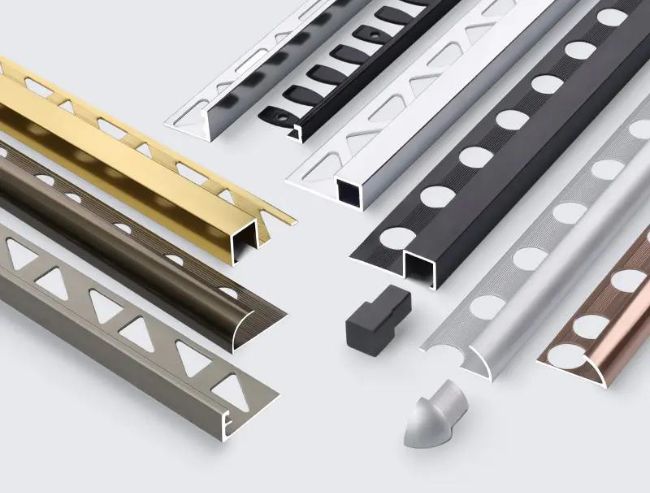
- Construction & Architectural Hardware: Beyond the pipes in the walls, brass is used for the parts of a building you see and touch every day. Think about durable and elegant door handles, locksets, tile trims, hinges, and handrail brackets. Its beautiful golden sheen is also used for decorative purposes, like light fixtures and trim work, to give a space a classic, high-end feel.
- Electrical and Electronics: Brass is a good conductor of electricity and is less expensive than other non-corrosive conductors. It’s used for electrical contacts, terminals, sockets, and connectors where a durable and reliable connection is needed. I’ve repaired many old electronics where the brass contacts just needed a quick cleaning to work perfectly again.
- Automotive: The automotive industry uses brass for various parts, including radiator cores and tanks, hose fittings, and some electrical system components. Its ability to handle temperature changes and resist corrosion from engine fluids is key.
- Musical Instruments: The acoustic properties of brass are legendary. The specific alloy blend can be tuned to create the distinct sounds of instruments like trumpets, trombones, tubas, and saxophones. 🎺
Conclusion
In short, brass is a vital alloy used in plumbing, electronics, and more. While it can be pricey and has some weaknesses, its strength and versatility keep it in high demand.