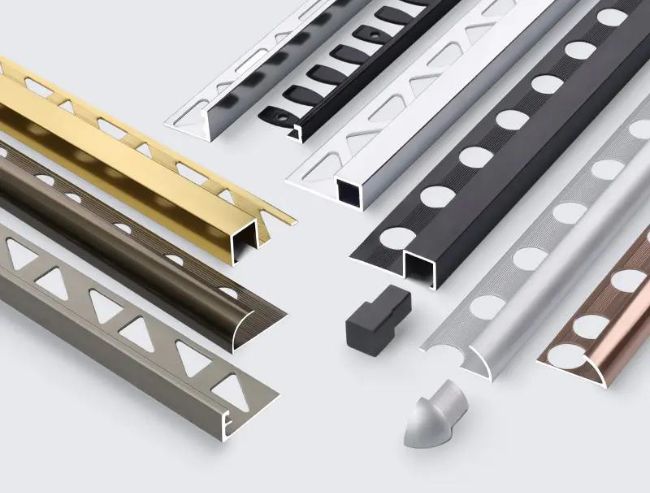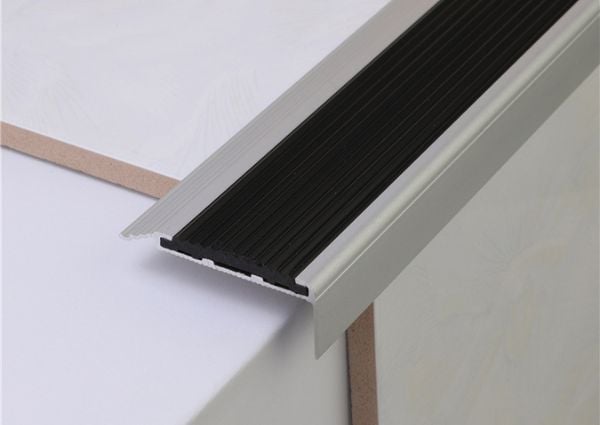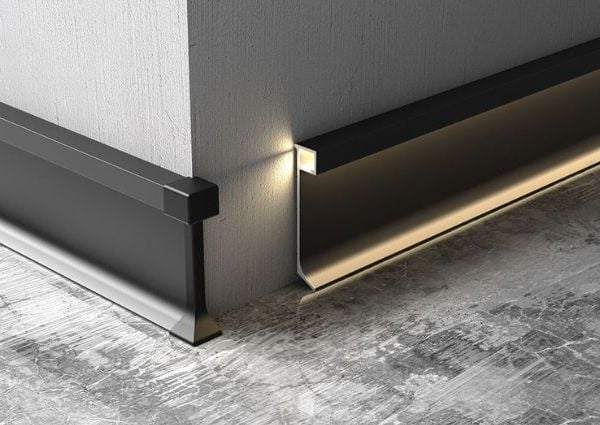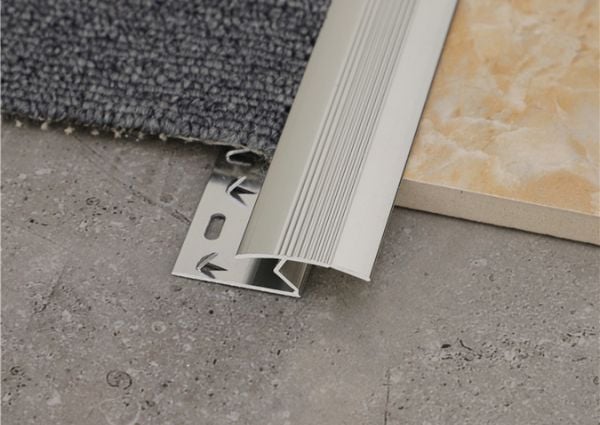

Choosing the appropriate tile trim is not just a small detail in the final step, but a key step that can significantly enhance the effectiveness of tile installation. The correct trim size and type can ensure that the edges of the tiles are protected, the overall appearance is more coordinated, and it can also enhance the professionalism and durability of the installation.
To find the ideal trim, you need to consider various factors such as the material, thickness, style, and installation environment of the tiles. This guide will delve into these key points, helping you answer the question of “What size tile trim do I need” and provide the best solution for your renovation project.
Understanding Tile Trim
When laying tiles, tile trims serve not only as aesthetic complements but also as practical components. The primary function of tile trims is to protect the edges of tiles from damage, preventing cuts or breakage caused by exposed sharp edges.
Additionally, trims help provide a cleaner, tidier finished appearance, especially at tile intersections with walls or other surfaces. Choosing the appropriate trim not only enhances the overall design of the space but also improves the overall quality and durability of tile installation.
Factors to Consider When Choosing Tile Trim Size
Tile Thickness
The thickness of the tile is a crucial factor when selecting the appropriate tile trim size. The depth of the tile trim should match or slightly exceed the thickness of the tile. If the tile trim is too shallow, it won’t effectively cover the edges of the tile, resulting in exposed tile corners, which are neither aesthetically pleasing nor safe. Conversely, if the tile trim is too deep, the edges may not be secure, leading to gaps or unevenness.
To ensure proper fitting and avoid these issues, it’s advisable to choose a tile trim that is slightly larger than the tile thickness. Typically, for wall tiles, the trim should be approximately 1-1.5mm larger than the tile thickness, while for floor tiles, the trim should be 1.5-2mm larger to accommodate the adhesive thickness and installation deviations. This ensures that the edges are securely fixed and achieve the desired aesthetic effect.
Tile Layout and Design
The layout and design of the tiles have a significant impact on choosing the appropriate trim size. Different tile layouts, such as straight or staggered patterns, can influence the width and style of the tile trim. For instance, a simple straight layout may be better suited to narrow, inconspicuous tile trims to maintain an overall clean and streamlined look, while a staggered or intricate pattern may require wider or more decorative trims to emphasize its uniqueness.
Furthermore, the design objectives of the tiles also dictate the choice of tile trim. If the design aims to create a seamless visual effect, then the tile trim should blend as seamlessly as possible with the tiles, with minimal protrusion. Conversely, if the goal is to accentuate the tile edges or add decorative elements, opting for trims with prominent designs or slightly wider profiles would be more appropriate to enhance the visual impact of the overall design.
Edge Location and Mounting
When selecting tile trims, considering the installation location of the tiles is also crucial. For wall tiles, it’s typically necessary to choose thinner or lighter trims to accommodate the vertical installation environment. Common tile trim thicknesses for wall tiles range from 8-10mm. These slender tile trims provide sufficient coverage while maintaining the cleanliness and aesthetic appeal of the wall. In contrast, for floor tile installations, where they endure more walking pressure and wear, thicker tile trims are generally recommended. Thicknesses may range between 10-12mm to ensure higher durability and stability.
Different edge types—such as straight edges, corners, or transition areas—also have varying requirements for tile trim selection. When dealing with corner positions, smaller or custom-angle trims may be necessary to achieve precise fitting, especially in complex or intricate tile patterns. In transition areas between tiles and other floor materials, such as tile-to-wood floor interfaces, it’s recommended to use trims with a width of 12-15mm. This not only protects the edges of the tiles but also ensures a smooth visual transition.
Common Tile Trim Sizes and Their Applications
Thin tile trim (6mm-8mm): For thin tiles such as mosaic or small-sized subway tiles, trim sizes ranging from 6mm to 8mm are ideal. This size of trim is particularly suitable for kitchen splashbacks, bathroom shower areas, or any place requiring precise edge treatment. It can effectively provide protection while maintaining decorative cleanliness and coherence.
Medium tile trim (10mm-12mm): Suitable for commonly used thicknesses of wall and floor tiles, tile trim sizes ranging from 10mm to 12mm provide more durability and support. They are highly suitable for standard floor tiles, feature walls, or kitchen countertops in both residential and commercial spaces. This size of tile trim can effectively balance functionality and aesthetics, making it an ideal choice for most tile installations.
Thick tile trim (15mm and above): When dealing with thicker tiles such as porcelain or natural stone, opting for a thick tile trim of 15mm and above is most suitable. This size of tile trim is particularly suitable for outdoor areas, commercial entrances, or any high-traffic zones because it provides additional durability and protection, preventing edge damage from frequent use.
Advice on Choosing The Right Size Tile Trim
Careful Measurement
Before purchasing tile trim, carefully measure the thickness of the tiles and the area needing coverage. Use precise tools such as a vernier caliper to obtain the exact thickness of the tiles, ensuring that the chosen tile trim can adequately cover the tile edges while leaving space for adhesive and installation adjustments. For wall tiles, select trim that is approximately 1mm-1.5mm larger than the tile thickness, while for floor tiles, it’s recommended to choose tile trim that is approximately 1.5mm-2mm larger to accommodate potential installation deviations.
Test Sample
If possible, obtain some tile trim samples and compare them with your tiles. This not only helps you assess the appearance and functionality of different sizes and styles of tile trim in actual application but also ensures that the tile trim you ultimately choose matches the color and texture of your tiles. Requesting samples from physical stores or through online suppliers is an important step before making the final decision.
Consultation with Professionals
If you feel unsure about selecting tile trim, seeking professional advice is always wise. Salespeople at tile stores or professional tile installers can provide valuable insights and recommendations to help you choose the most suitable trim size and type based on your specific needs and installation environment. Their experience can help you avoid common mistakes and ensure that the trim selection enhances your renovation outcome.
Conclusions
Testing samples can help you better evaluate the final outcome while seeking advice from professionals can prevent misselection. Whether you aim to seamlessly integrate the edge strips into the overall design or utilize them to enhance decorative effects, choosing the appropriate size is the first step to success. I hope these suggestions can assist you in making wise decisions and achieving perfect tile edging effects in your project.
In addition, if your project or business requires a bulk purchase of metal tile trim, please feel free to contact us. We offer a variety of sizes and styles of tile edging to help boost profits for your projects and business.
Read more:
Tile Trim – The Ultimate Guide