Tired of sharp wall corners causing bumps and chipped paint? Those hard edges can be a real pain. A bullnose corner offers a simple, elegant solution for a safer home.
A bullnose corner is a rounded edge on a wall instead of a sharp 90-degree angle. It’s created using a special type of corner bead. This rounded design makes corners softer, safer, and more durable against everyday bumps and dings in high-traffic areas.
When I first started my home renovation, I kept hearing the term “bullnose” and had no idea what it meant. It sounded like something complicated, but it’s actually a really smart and simple feature. It made a huge difference in my house, both in how it looks and how it feels. Let’s look at why you might want it in yours and break down what it really is.
What is the purpose of a bullnose?
Worried about sharp corners in your busy home? With kids and moving furniture, dings and scrapes are inevitable. A bullnose corner’s main job is to add safety and durability.
The main purpose of a bullnose corner is to create a soft, rounded edge. This increases safety by removing sharp angles, improves durability by deflecting impacts that would chip a square corner, and offers a smoother, more continuous aesthetic that can make a space feel more modern.

I remember when we first moved into our house, my son was just learning to walk. He was a little wobbly, and I was constantly worried about him falling into the sharp corners of our old plaster walls. That’s when I really understood the practical side of bullnose corners. It’s not just about looks. The primary purpose is function, and it serves several key roles that I’ve come to appreciate.
Key Functions of Bullnose
Let’s break down the main jobs of a bullnose corner. Each one serves a distinct, important role in a home, making it more than just a style choice.
- Safety First: The most obvious benefit is safety. The rounded edge is much gentler than a sharp 90-degree angle. It’s a small change that makes a big difference in homes with children, elderly residents, or even just in tight hallways where you’re likely to bump into things. It simply hurts less.
- Built to Last: Square corners are weak points. They chip and dent so easily. A bullnose corner distributes the force of an impact, making it far more resistant to damage from vacuum cleaners, moving furniture, or general wear and tear. This means less time spent on paint touch-ups and drywall repairs down the road.
| Feature | Square Corner | Bullnose Corner |
|---|---|---|
| Impact Risk | High (chipping, denting) | Low (deflects force) |
| Safety | Low (sharp angle) | High (rounded edge) |
| Maintenance | More frequent touch-ups | Less frequent repairs |
Are bullnose corners outdated?
Worried your home design will look dated? Choosing features like corner styles can feel risky. But bullnose corners are a classic choice that can fit many modern designs.
No, bullnose corners are not outdated. While they were very popular in the 90s and early 2000s, their soft, clean lines work well in many contemporary and transitional homes. Their practical benefits of safety and durability ensure they remain a relevant and smart design choice.
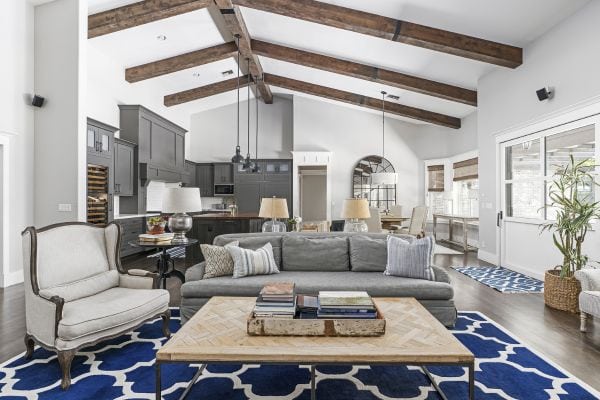
I had this exact question when I was planning my remodel. I saw a lot of bullnose in homes built in the 90s and worried it would date my space. But then I looked at high-end custom homes and modern designs, and I saw it being used in very fresh ways. The key is how you use it. It’s less about the corner itself and more about the overall design it’s part of. A bullnose corner in a home with clean lines, simple baseboards, and a modern color palette looks intentional and sophisticated. It doesn’t look dated at all. It provides a soft, organic flow that can be a welcome contrast to the hard lines often found in minimalist design, making the space feel more approachable and liveable.
Bullnose vs. Other Styles
The choice often comes down to personal preference and the architectural style of your home. A corner style can completely change the vibe of a room.
| Corner Style | Best For… | Vibe |
|---|---|---|
| Bullnose | Contemporary, Southwest, Transitional | Soft, flowing, casual |
| Square | Modern, Industrial, Craftsman | Crisp, defined, formal |
| Chamfer | A mix of both | Subtly angled, detailed |
So, while a square corner gives a very sharp, minimalist look, a bullnose corner provides a softer transition that many people find more welcoming and relaxed. It’s a timeless feature, not a fleeting trend, because its core benefits are practical.
What does bullnose trim look like?
You’ve decided on rounded corners for your walls. But now your baseboards won’t line up correctly. Special bullnose trim pieces are made to solve this exact problem perfectly.
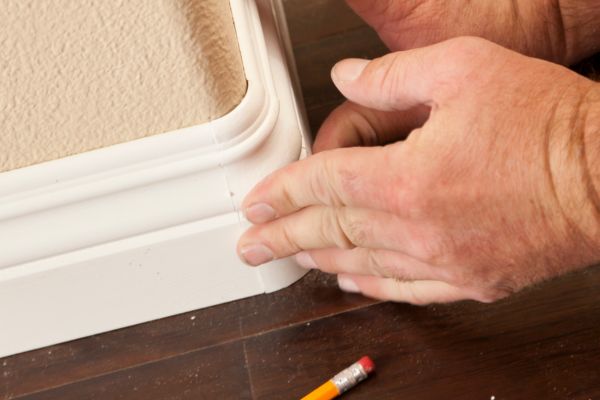
Bullnose trim refers to the special pieces of baseboard, chair rail, or crown molding designed to fit around a rounded corner. Instead of meeting at a sharp angle, these pieces have a curved section that hugs the wall’s bullnose curve, creating a smooth and continuous look.
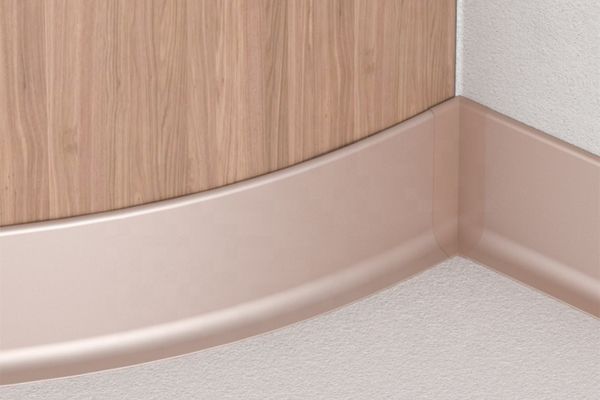
This was the part that almost tripped me up. I had the walls finished with beautiful bullnose corners, and then my contractor brought out the straight baseboards. I realized we couldn’t just cut them at an angle like you do for a square corner. It would leave a weird, sharp point on a round wall. That’s when I learned about bullnose trim pieces. These are absolute game-changers. They are specifically molded to wrap around the curve, ensuring that your baseboards and other moldings look just as clean and finished as the rest of the wall. Without these specific pieces, the entire effect can look unprofessional and incomplete. They are essential for a polished look.
Types of Bullnose Trim Solutions
There are a few ways to handle trim on a bullnose corner, and the one you choose depends on your skill level and desired look.
| Trim Type | Description |
|---|---|
| Rounded Corner Blocks | Small, pre-made blocks that the straight trim pieces butt into. This is an easy solution and very common. |
| Flexible Molding | A bendable material, often a polymer, that can be shaped to the curve of the corner for a truly seamless look. |
| Three-Piece Miter | A more advanced carpentry technique using multiple angled cuts on standard trim to approximate the curve. |
Most big box stores sell matching rounded corner blocks for their popular baseboard profiles. It makes the installation so much easier and gives you that polished, professional finish. Without it, the whole look falls apart.
Why is it called a bullnose edge?
Ever wonder about the name “bullnose”? It sounds a bit strange for a part of a house. The origin of the name is actually very straightforward and descriptive.
It’s called a bullnose edge because the rounded, convex shape resembles the profile of a bull’s nose. This descriptive term originated in woodworking and masonry to describe any half-round, smooth edge and was later adopted for the popular rounded drywall corner. It’s a simple, memorable name.

I’ve always been fascinated by why things are named what they are. When I first heard “bullnose,” I pictured a giant ring in a bull’s nose, but the name is much simpler. It really is just about the shape. If you look at the snout of a bull, it has that distinct, powerful, rounded curve. Someone, long ago, saw that same strong, semi-circular shape on a piece of wood or stone and the name stuck. It’s a great example of a term from an old trade making its way into our everyday language for home building. This kind of descriptive, practical naming is common in construction, where things are often called what they look like.
The “Bullnose” Name in Different Trades
The term isn’t exclusive to drywall corners. You’ll find it all over construction and design, which shows just how useful this shape is.
| Application | How It’s Used |
|---|---|
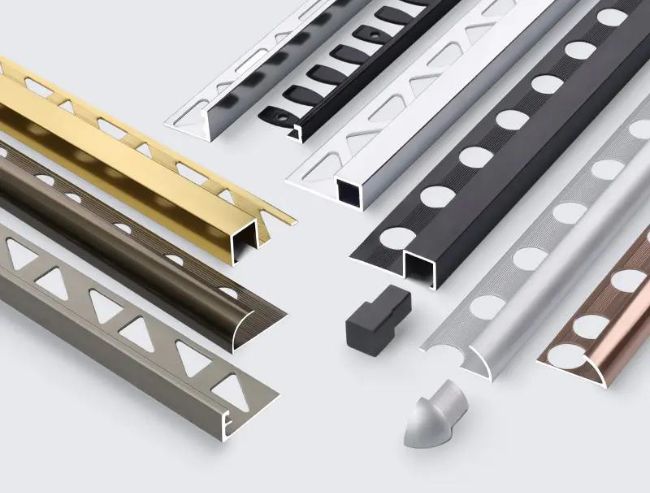
| Tile | Bullnose tiles have one or two rounded edges to finish the border of a tiled area, like a shower wall. |
| Countertops | A “full bullnose” edge on a granite or quartz countertop is rounded on both the top and bottom. |
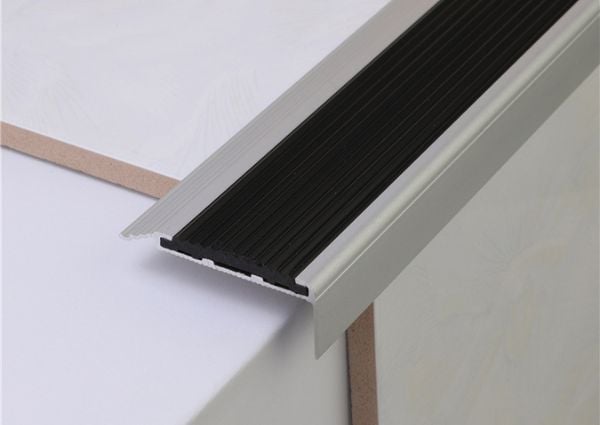
| Stair Treads | The front edge of a stair step is often called the “nosing” and is usually a bullnose shape for safety. |
| Woodworking | A “bullnose” router bit is used to create a smooth, rounded edge on a piece of wood furniture or shelving. |
So, when you hear “bullnose,” just think “smooth, half-round edge.” It’s a term that signifies a soft, finished, and durable profile in many different materials.
Conclusion
In short, a bullnose corner is a rounded wall edge that adds safety, durability, and a soft, modern style to any home, proving it’s a timeless and practical choice.