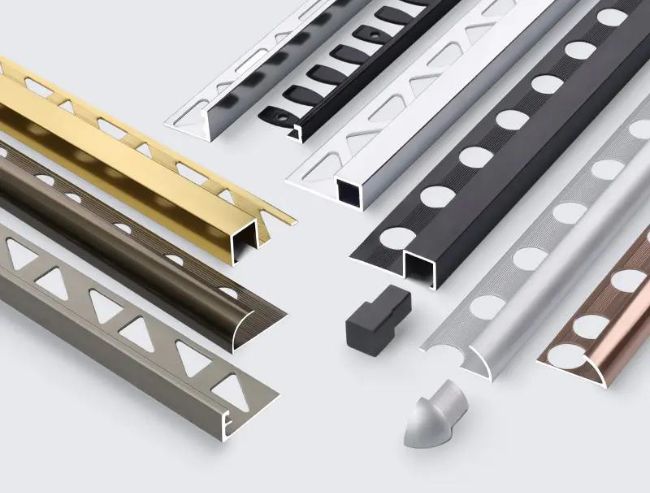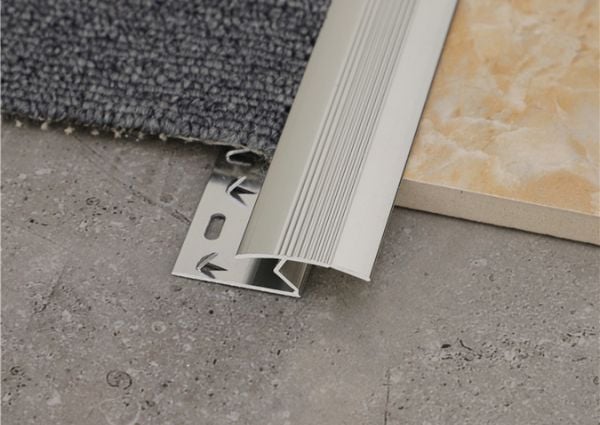

The main difference lies in their location and the specific tile problems they solve. An outside corner trim is installed on outward-facing, convex 90-degree corners (like shower niches or half-walls). It hides ugly, unglazed tile edges and acts as a shield against physical impact and chipping.
Conversely, an inside corner edging trim is used for inward-facing, concave junctions (like wall-to-floor or inside shower corners). It covers uneven tile cuts, accommodates slight structural movement to prevent grout from cracking, and often features a curved “cove” design that stops mold buildup and makes cleaning effortless.
The Core Differences at a Glance: Outside vs. Inside Tile Trims
Before diving into the specifics of your tiling project, it is crucial to understand that outside and inside corner trims are not interchangeable. Using the wrong profile can lead to cracked grout, exposed sharp edges, or water damage. Here is a quick breakdown of their primary differences:
| Feature | Tile Outside Corner Trim | Inside Corner Edging Trim |
|---|---|---|
| Installation Location | Convex, outward-facing 90° corners (e.g., shower niches, columns, window reveals). | Concave, inward-facing 90° corners (e.g., wall-to-floor joints, internal shower corners). |
| Primary Function | Impact resistance and hiding unglazed, rough tile edges. | Smooth structural transition and moisture management. |
| Key Pain Point Solved | Prevents fragile tile edges from chipping and protects people from sharp corners. | Stops grout from cracking due to building movement and eliminates moldy, hard-to-clean right angles. |
| Movement & Stress | Handles minimal structural movement. | High. Acts as a movement joint to absorb expansion and contraction between walls or floors. |
| Common Profile Shapes | Square (Box), Round (Bullnose), L-Shape (Straight edge). | Cove (Curved inward), Minimalist Straight. |
Why Projects Need Outside Corner Trims?
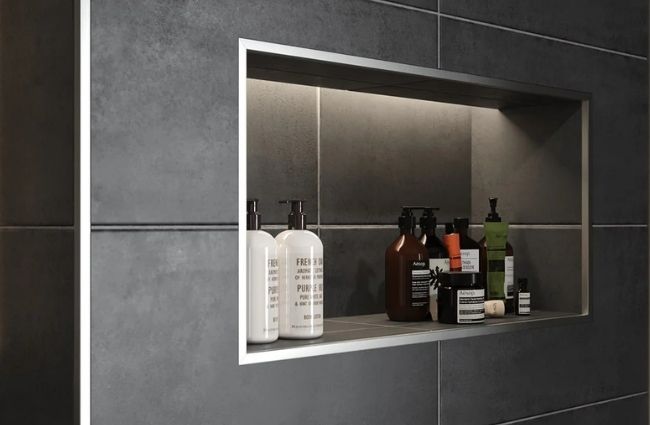
Outward-facing corners are the most vulnerable parts of any tiled surface. Whether it is a shower niche, a half-wall, or a prominent column in a hallway, these convex 90-degree angles are constantly exposed to physical impact. This is where an outside corner trim becomes strictly essential.
1. Ultimate Edge Protection Against Chips and Cracks
A ceramic or porcelain tile is incredibly strong on its glazed surface, but its unglazed side profile (the biscuit) is brittle and porous. If left exposed, it not only looks unfinished but is highly susceptible to chipping from everyday bumps—like a vacuum cleaner hitting a baseboard or a shampoo bottle dropping in a shower niche.
An aluminum outside corner trim acts as a durable, impact-resistant bumper. It absorbs the shock and securely hides the rough edges, ensuring the corner remains pristine for years.
2. Eliminating the Costly and Fragile “Mitred Edge”
The DIY & Contractor Pain Point: Historically, achieving a clean outside corner meant performing a “mitre cut” (grinding the back of two tiles at a 45-degree angle so they meet seamlessly).
While a mitred edge looks clean initially, it has two massive flaws:
- It is extremely fragile: Mitring removes the structural bulk of the tile edge, leaving it paper-thin. A slight knock will shatter the corner, leading to a nightmare repair job.
- It is incredibly labor-intensive: Getting perfect 45-degree cuts requires high-end wet saws and hours of meticulous labor, driving up the installation cost significantly.
By using an outside corner trim, you bypass the need for mitring entirely. Installers simply make standard straight cuts, butt the tiles up against the trim, and achieve a perfectly straight, modern, and highly durable finish in a fraction of the time.
While outside corners grab the spotlight for edge protection, inside corner tile trims are the unsung heroes of structural integrity and hygiene. When two tiled walls meet inward (or where a wall meets a floor), installing the tiles tightly against each other and filling the gap with rigid grout is a recipe for disaster.
1. Mastering Movement and Preventing Cracked Grout
The Homeowner Pain Point: Have you ever noticed the grout cracking and falling out in the corners of your shower after a few years? This happens because buildings settle, and walls naturally expand and contract with temperature and humidity changes.
Rigid grout cannot absorb this structural movement. When the walls shift, the grout cracks, allowing water to seep behind the tiles and rot the drywall or subfloor.
An inside corner edging trim is specifically designed to act as a movement joint (expansion joint). By anchoring the trim into the thin-set mortar under the tiles, it creates a flexible buffer zone. It absorbs the stress of the shifting walls, ensuring your corners remain waterproof and crack-free for decades.
2. The Hygienic Advantage of the “Cove” Design
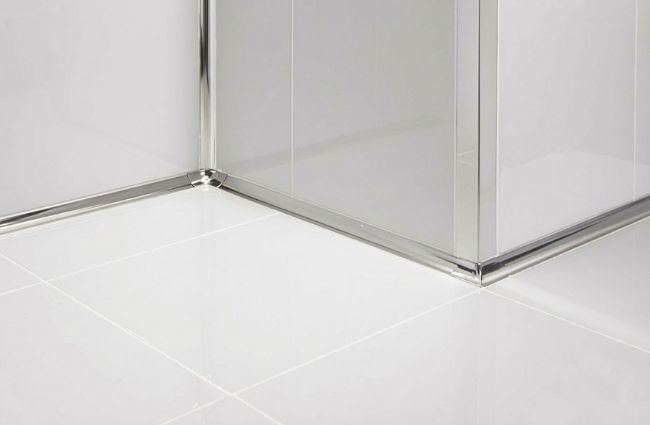
A standard 90-degree internal corner is a nightmare to clean. In wet areas like showers, commercial kitchens, or behind sinks, soap scum, dirt, and mold easily get trapped in that sharp crevice, requiring vigorous scrubbing with an old toothbrush.
- The Cove Solution: The most popular profile for inside corners is the Cove Trim. It features a smooth, concave radius that bridges the gap between the two surfaces.
- Effortless Cleaning: By eliminating the hard 90-degree angle, a cove trim leaves dirt and moisture nowhere to hide. A simple wipe with a cloth cleans the entire corner instantly. This hygienic design is often a mandatory requirement in food preparation areas and healthcare facilities.
Sizing and Material Mastery: The Pro’s Choice
Selecting whether you need an outside or inside corner trim is only the first step. To guarantee a flawless, long-lasting finish, specifiers and contractors must nail the sizing and choose the correct material for the project’s environment.

1. The Golden Sizing Rule: “Tile Thickness + 1.5mm”
The Rookie Mistake: Buying a 10mm deep trim for a 10mm thick tile. Once installed, the trim will sit noticeably lower than the tile face, creating an uneven, sharp lip.
When a tile is installed, it doesn’t sit flush against the wall; it sits on a bed of tile adhesive (thin-set mortar). Therefore, the anchoring leg of the trim must accommodate both the tile and the mortar.
The Professional Standard: Always specify a tile trim profile that is 1.5mm to 2mm deeper than your tile. For example, if you are installing a standard 10mm porcelain tile, you should select an 11mm, 12mm, or 12.5mm trim profile to ensure a perfectly flush, seamless transition.
2. Why Aluminum Extrusion Dominates the Market
While tile trims are available in PVC (plastic) and stainless steel, extruded aluminum remains the undisputed champion for both residential and high-end commercial projects. Here is why distributors and builders prefer it:
- Structural Rigidity vs. Workability: Unlike PVC, which can become brittle and discolored over time, aluminum offers incredible impact resistance for outside corners. Yet, unlike stainless steel, it is lightweight and exceptionally easy for installers to cut on-site without burning out saw blades.
- Superior Rust Resistance: Aluminum naturally forms a protective oxide layer, making it highly resistant to rust, which is strictly essential for inside corner trims installed in wet zones like showers and wet rooms.
- Endless Finish Options: Through advanced anodizing and powder-coating processes, aluminum profiles can perfectly mimic high-end fixtures. Whether a project requires a brushed brass aesthetic, a matte black industrial look, or a polished chrome finish, aluminum delivers premium aesthetics at a cost-effective wholesale price point.
Partnering with a Reliable Manufacturer for Your Market
Understanding the technical differences between outside and inside corner trims is essential, but sourcing them from a dependable supplier is what ultimately protects your profit margins. For distributors, importers, and large-scale contractors, dealing with middlemen often leads to inconsistent finishes, delayed shipments, and inflated costs.
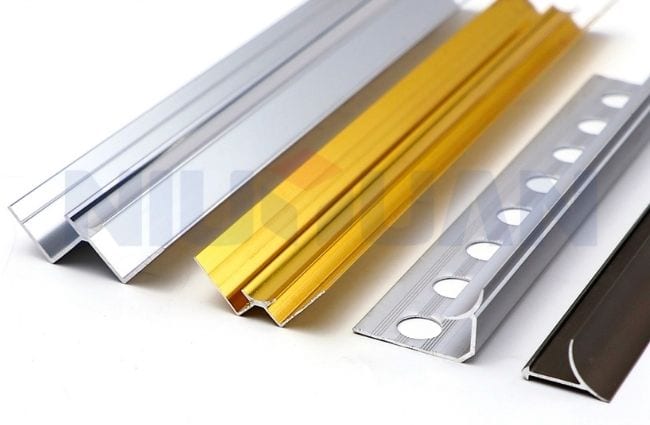
By partnering directly with a dedicated B2B wholesale-only factory, you gain complete control over your supply chain. At NIUYUAN Trims, we have specialized in manufacturing architectural decorative aluminum profiles for over 15 years. Operating 5 advanced extrusion production lines in China, we ensure strict quality control from raw aluminum billet to the final surface treatment.
Tailored for Global Building Standards
Different markets have unique architectural trends and strict building codes. Whether you need robust outside corner profiles for the booming construction sectors in Mexico and Brazil, or premium shadow gap profiles and minimal edging that meet rigorous Australian standards, a mature manufacturer provides the exact specifications your local buyers demand.
Elevate Your Next Tile Project with Premium Extrusions
Looking for a reliable manufacturing partner for high-quality aluminum tile trims? We supply custom and standard extrusion profiles for wholesale orders globally.
Contact Us for a Wholesale Quote & Free Samples
Or visit niuyuantrims.com to view our full architectural profile catalog.
FAQs
1. Can I use an outside corner trim for an inside corner?
Technically, no. An outside corner trim is designed with a convex profile to protect protruding edges, while an inside corner trim is concave to bridge recessed junctions. Using an outside trim on an inside corner would create a sharp, protruding lip that is difficult to clean and aesthetically unappealing.
2. Do I need to mitre the corners if I use tile trims?
No, that is one of the biggest advantages. Using tile trims eliminates the need for fragile and time-consuming 45-degree mitre cuts. You simply make straight cuts on your tiles and butt them against the trim for a professional, durable finish.
3. What is the best material for shower inside corner trims?
Anodized aluminum is the industry standard. It is lightweight, rust-proof, and offers a wide range of finishes. For heavy-duty commercial kitchens or high-traffic areas, stainless steel 304/316 is also a top-tier choice for maximum durability and hygiene.
4. How do I choose the correct depth for my corner trim?
The golden rule is: Tile Thickness + 1.5mm to 2mm. This extra depth accounts for the tile adhesive (thin-set mortar) bed, ensuring the trim sits perfectly flush with the tile surface.
5. Are aluminum tile trims suitable for outdoor use?
Yes, high-quality extruded aluminum with a proper anodized or powder-coated finish is excellent for outdoor architectural applications. It resists oxidation and weathering, making it ideal for patio edges, outdoor kitchens, and swimming pool reveals.