Struggling to choose the right metal for your project? The world of stainless steel can be confusing, leaving you unsure which grade fits your needs and budget, potentially leading to costly mistakes.
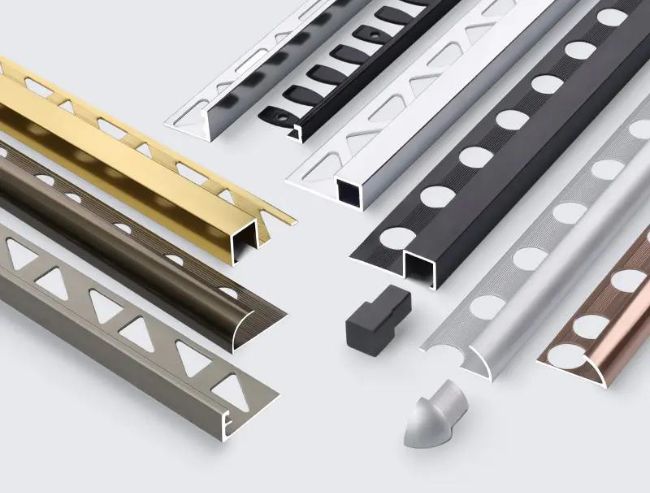
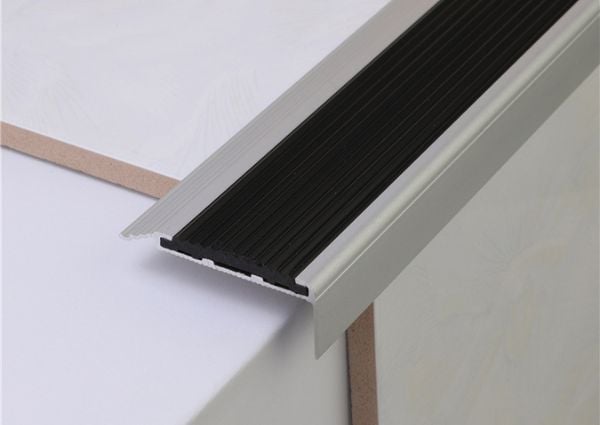
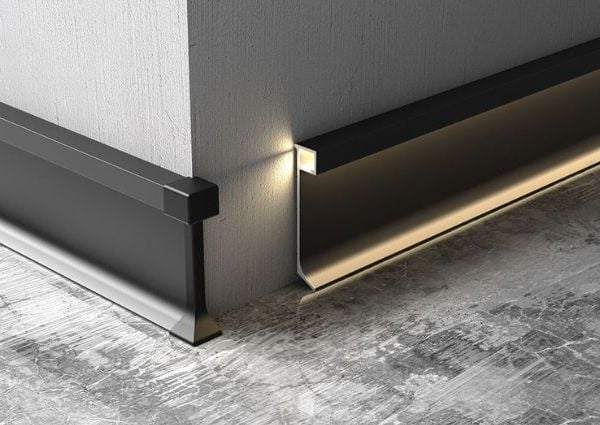
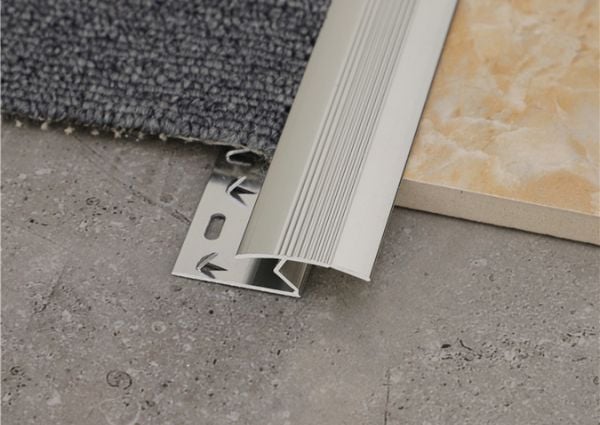
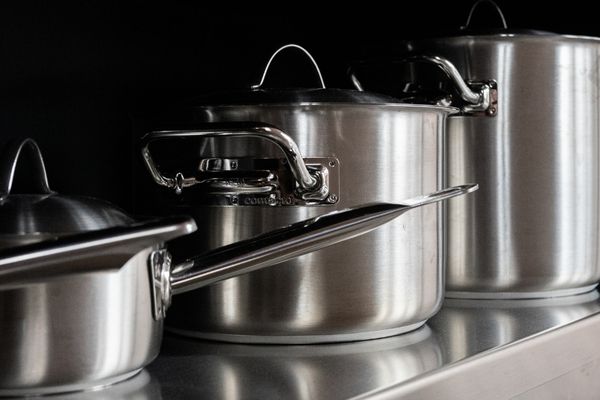
304 stainless steel is a versatile and widely used material, favored for its excellent corrosion resistance and durability. You’ll find it in everything from kitchen appliances and cookware to architectural paneling, architectural trim, and industrial equipment, making it a go-to choice for a vast range of applications.
I remember working on a kitchen remodel and being overwhelmed by the choices for sinks and faucets. The sheer number of materials was mind-boggling. After a lot of research, I kept coming back to 304 stainless steel. Its reputation for longevity and ease of cleaning sold me. It’s been years, and that sink still looks brand new. This experience taught me the importance of understanding the materials we use in our everyday lives. It’s not just about aesthetics; it’s about making informed decisions that will stand the test of time. Now, I always take a closer look at the specifications of any metal product before I buy it.
What is The Life Expectancy of 304 Stainless Steel?
Worried about the longevity of your materials? Choosing a metal that rusts or degrades quickly can lead to frequent and expensive replacements, causing a lot of frustration and wasted money down the line.
Under normal conditions, 304 stainless steel has a very long life expectancy, often exceeding 50 years. Its resistance to corrosion and rust means it can withstand everyday wear and tear without significant degradation, making it a reliable and cost-effective material for long-term use.

When I was building a custom barbecue island for my backyard, I knew I needed something that could handle the elements. I live in an area with high humidity, so rust is a constant battle. I opted for 304 stainless steel for the countertops and cabinet doors. It’s been a few years now, and despite countless cookouts and exposure to rain and sun, it still looks incredible. This long-term durability is a testament to the quality of 304 stainless steel and a reminder of why it’s such a popular choice for outdoor applications.
Understanding Durability
The longevity of 304 stainless steel is due to its composition. The key is the chromium content, which forms a passive, invisible layer on the surface. This layer protects the steel from oxygen and moisture, which are the primary causes of rust.
Factors Affecting Lifespan
While 304 is incredibly durable, certain conditions can affect its lifespan.
| Factor | Impact on 304 Stainless Steel |
|---|---|
| Chlorides | High concentrations of chlorides, like those found in coastal areas or from de-icing salts, can cause pitting corrosion. |
| High Temperatures | Continuous exposure to very high temperatures (above 870°C or 1600°F) can lead to a decrease in its corrosion resistance. |
| Abrasive Cleaning | Using harsh, abrasive cleaners or steel wool can scratch the protective layer, making it more susceptible to rust. |
Even with these factors, proper maintenance can ensure a long life for your 304 stainless steel products. For most household and common industrial applications, you can expect it to last for decades.
Which is Better, 304 or 420 Stainless Steel?
Feeling stuck between different stainless steel grades? The technical specifications can be confusing, making it difficult to determine which option offers the best performance and value for your specific needs, potentially leading to a poor choice.
The choice between 304 and 420 stainless steel depends entirely on the application. 304 offers superior corrosion resistance and is more formable, while 420 is harder and more wear-resistant. For general-purpose use where rust is a concern, 304 is the better choice.

I once bought a set of “stainless steel” knives that rusted after just a few washes. I was so frustrated. Later, I learned they were likely made from a lower-grade martensitic stainless steel, like 420, which is great for holding a sharp edge but not as corrosion-resistant as the 304 stainless steel used in my kitchen sink. This experience was a real eye-opener. It taught me that not all stainless steels are created equal and that understanding the differences is key to getting the right product for the job.
A Deeper Comparison
To really understand the difference, let’s break down their key properties.
Composition and Corrosion Resistance
- 304 Stainless Steel: Part of the austenitic family, it contains high levels of chromium and nickel. This composition gives it excellent resistance to rust and a wide range of corrosive agents.
- 420 Stainless Steel: A martensitic stainless steel, its higher carbon content makes it much harder than 304. However, it has lower chromium content and no nickel, which significantly reduces its corrosion resistance.
Hardness and Applications
The difference in hardness directly impacts their ideal uses.
| Property | 304 Stainless Steel | 420 Stainless Steel |
|---|---|---|
| Hardness | Softer and more ductile. | Harder and can be heat-treated for even greater hardness. |
| Corrosion Resistance | Excellent. | Fair, but will rust in corrosive environments. |
| Typical Uses | Kitchen equipment, food processing, tile trim. | Knives, surgical instruments, wear-resistant parts. |
In short, if you need something that won’t rust and is easy to shape, go with 304. If you need a hard, sharp edge that will stand up to wear and tear, and a little bit of maintenance is acceptable, 420 is a good option.
What is The Highest Quality Stainless Steel?
Searching for the absolute best in stainless steel? With so many grades available, it’s tough to know which one offers the ultimate in performance and longevity, leaving you wondering if you’re truly getting the most durable and corrosion-resistant option.
While “highest quality” can be subjective, grade 904L is widely considered to be one of the highest-grade, commercially available stainless steels. Its superior corrosion resistance, especially against acids and chlorides, is due to its high levels of nickel, molybdenum, and copper.

I have a friend who is a deep-sea diver and a watch enthusiast. He once showed me his prized possession, a luxury dive watch. He explained that it was made from 904L stainless steel, the same material used in high-end chemical processing equipment. The reason, he said, was its incredible resistance to saltwater corrosion, which would quickly damage lower-grade stainless steels. This really put into perspective what “high quality” means in the world of metals. It’s not just about a shiny finish; it’s about performance under extreme conditions.
Beyond the Basics: What Makes a Steel “High Quality”?
The quality of stainless steel is determined by its alloying elements. These elements are added to the iron and carbon base to enhance specific properties.
Key Alloying Elements
- Chromium: The fundamental element for corrosion resistance. More chromium generally means better rust prevention.
- Nickel: Improves ductility, formability, and overall corrosion resistance, especially against acids.
- Molybdenum: Significantly enhances resistance to pitting and crevice corrosion, particularly in chloride-rich environments like coastal areas.
- Copper: Also boosts resistance to certain acids.
A Hierarchy of Grades
While 304 is an excellent all-around choice, other grades offer even better performance in specific, demanding environments.
| Grade | Key Features | Common Applications |
|---|---|---|
| 304 | Good corrosion resistance, versatile. | General purpose, kitchen equipment. |
| 316 | Enhanced corrosion resistance (due to molybdenum). | Marine applications, medical implants, chemical processing. |
| 904L | Superior resistance to acids and chlorides. | High-end watches, chemical processing equipment. |
| Duplex | High strength and resistance to stress corrosion cracking. | Oil and gas industry, structural components in corrosive environments. |
For most everyday applications, 304 or 316 stainless steel offers more than enough quality and durability. The “highest quality” grades like 904L and duplex steels are typically reserved for specialized industrial uses where extreme conditions demand the ultimate in performance.
What is The Cheapest Grade of Stainless Steel?
Trying to complete a project on a tight budget? The cost of materials can be a major hurdle, and finding an affordable yet suitable type of stainless steel is often a challenge, leading to potential compromises on quality.
The cheapest grade of stainless steel is typically type 409. It’s a ferritic stainless steel with a lower chromium content than 304, which makes it less expensive to produce. While it offers some corrosion resistance, it’s not as durable as higher-grade alloys.

I once had to replace a section of the exhaust on an old car. I was on a tight budget and just needed something that would pass inspection. The mechanic suggested using a 409 stainless steel pipe. He explained that it was the standard for exhaust systems because it could handle the high temperatures and was much cheaper than the shinier, more corrosion-resistant grades. It wasn’t pretty, and it did develop some surface rust over time, but it did the job without breaking the bank. This was a practical lesson in how different grades of stainless steel are suited for different purposes and budgets.
Cost-Effective Alternatives
While 409 is the cheapest, it’s important to understand its limitations.
Understanding 409 Stainless Steel
- Composition: Primarily iron and chromium, with very little nickel.
- Properties: It’s magnetic and has good heat resistance but only moderate corrosion resistance. It will develop surface rust, especially when exposed to road salt and moisture, but it won’t rust through as quickly as carbon steel.
- Primary Use: The most common application for 409 stainless steel is in automotive exhaust systems.
Other Low-Cost Options
If 409 isn’t suitable, there are other relatively inexpensive grades to consider.
| Grade | Key Features | Common Applications |
|---|---|---|
| 409 | Lowest cost, good heat resistance, moderate corrosion resistance. | Automotive exhaust systems. |
| 430 | A step up from 409 in terms of finish and corrosion resistance. | Appliance trim, decorative applications, and some kitchen utensils. |
| 201 | An austenitic steel with lower nickel content than 304, making it less expensive. | Indoor applications where corrosion resistance is less critical. |
When choosing a cheaper grade of stainless steel, it’s crucial to match the material’s properties to the intended environment. For applications where appearance and high corrosion resistance are not the top priorities, these lower-cost grades can be an excellent, budget-friendly solution. However, for applications with significant exposure to moisture or corrosive elements, investing in a higher grade like 304 will be more cost-effective in the long run.
Conclusion
In summary, 304 stainless steel is a versatile and durable material suitable for many applications, but the best choice of steel always depends on your specific needs and budget.