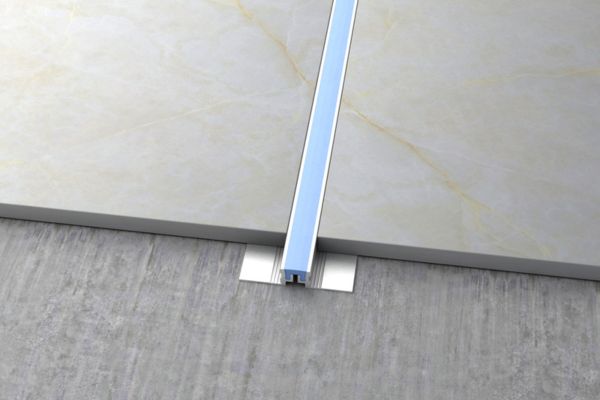
Are you worried about your beautiful new tiles cracking? It’s a common fear after spending so much on a new floor. What if I told you a simple step during installation could prevent this heartbreak?
Yes, floor tiles absolutely need expansion joints. These gaps are crucial for the floor to expand and contract with changes in temperature and humidity. Without them, your tiles could buckle, crack, or even lift off the floor. It’s a simple but vital step for a long-lasting tile job.
Thinking about laying tiles can bring up a lot of questions. I remember when I first started, I had so many concerns. Will the grout lines be straight? Am I using the right adhesive? But one of the most important things I learned about was the need for space. It might seem strange to leave gaps on purpose, but it’s the secret to a floor that looks great for years. Let’s get into why these spaces are so important.
Can You Lay Floor Tiles Without a Gap?
Tired of seeing wide, dirty grout lines? You might be tempted to lay your tiles without any gaps at all. But is this shortcut going to cause you bigger problems down the road?
You really can’t lay floor tiles without a gap. Even tiles that look perfectly straight have tiny variations in size. Without a gap for grout, these small differences would make it impossible to get a straight line. More importantly, every floor moves, and these gaps give your tiles room to breathe.

Why Tiles Need Room to Move
I once saw a beautiful porcelain tile floor that was completely ruined within a year. The owner wanted that seamless, no-grout look. The problem is that all buildings shift and settle over time. On top of that, temperature and humidity changes cause everything to expand and contract. Your house isn’t static; it’s constantly moving in very small ways. For floor tiles, this movement is a big deal. Without space to move, the tiles push against each other. This pressure builds up until something has to give. That’s when you get tiles that are pushed up, a problem we call “tenting,” or tiles that simply crack under the stress. Grout isn’t just for looks; it’s a flexible cushion that absorbs this movement and pressure, protecting your investment. It also helps to account for the minor size differences between individual tiles, ensuring your layout remains consistent and professional-looking.
What is the Expansion Gap for Floor Tiles?
Worried that the gaps between your tiles will look too big? Finding that perfect balance between being safe and looking good can be tricky. What’s the right amount of space to leave?
The ideal expansion gap for most floor tiles is usually between 1/8th and 3/16th of an inch. For larger format tiles or outdoor installations, you might go up to 1/4th of an inch. The exact size really depends on the tile and where you’re putting it.

Finding the Right Gap Size
Choosing the right gap size is a mix of following the rules and personal taste. The tile manufacturer almost always gives a recommended grout line width. I always say, start there. They know their product best. For example, a small ceramic tile, like a 4×4 inch, might look best with a smaller 1/16th inch gap. But if you’re working with large 24×24 inch porcelain tiles, you’ll need a bigger gap, like 1/8th or even 3/16th of an inch, to handle the greater potential for movement. The type of tile also matters. Natural stone tiles have more size variation than machine-made ceramic tiles, so they need wider grout lines to hide these imperfections. Here’s a simple guide I follow:
| Tile Size (Longest Side) | Minimum Grout Width |
|---|---|
| Under 12 inches | 1/16 to 1/8 inch |
| 12 to 24 inches | 1/8 to 3/16 inch |
| Over 24 inches | 3/16 to 1/4 inch |
Remember, these are just guidelines. Always check what the tile manufacturer suggests first.
How Often Do You Need Expansion Joints in Tiles?
You know you need expansion joints, but where do they go? It feels like you might be cutting up your beautiful floor unnecessarily. How many of these joints do you actually need, and where?
You need expansion joints around the perimeter of the room and across large tiled areas. A good rule of thumb is to have an expansion joint every 20 to 25 feet in each direction for indoor projects. For outdoor jobs, you’ll need them more often, about every 8 to 12 feet.

Planning Your Expansion Joints
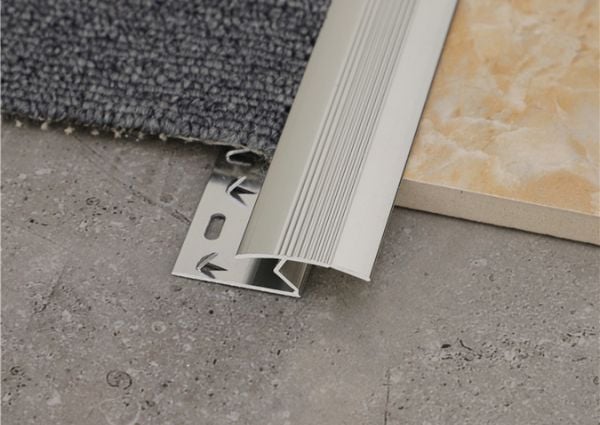
Placing expansion joints correctly is just as important as having them. Think of them as control joints in a concrete sidewalk. They are there to control where any cracking from movement happens. For tile floors, you must have an expansion joint wherever the tiles meet a different material. This means around the entire edge of the room where the tile meets the wall, and also around things like columns or cabinets. For big open spaces, you need to break up the tile field. The Tile Council of North America (TCNA) sets the standards here. They say for indoor areas, you should have a joint every 20-25 feet. I remember tiling a large basement, about 40 feet long. We had to put an expansion joint right down the middle. At first, the homeowner was worried it would look ugly. But we used a color-matched flexible sealant, and it blended in perfectly. You also need them over any control joints in the concrete slab below. The floor underneath will move, and your tile needs to be able to move with it.
Can Tiles be Butted Together?
Are you dreaming of a perfectly smooth, uninterrupted floor surface? The thought of butting tiles right up against each other is tempting. But is it a realistic option for a lasting floor?
No, you should never butt tiles together. Even tiles that are “rectified,” meaning they are cut to a very precise size, still need a small gap. Without any space for grout, there is no room for movement, which will lead to cracking, chipping, and tenting.

The Dangers of Butting Tiles
I get it, the look of a solid stone slab floor is amazing. Some people try to get this look by butting tiles together. This is a huge mistake that I’ve seen go wrong too many times. Besides the problems with expansion and contraction, there’s another issue called lippage. Lippage is the difference in height between the edges of two adjoining tiles. No floor is perfectly flat, and no tile is perfectly flat either. When you lay tiles without grout, these tiny imperfections become very noticeable. You’ll feel them under your feet, and they will cast ugly shadows. The minimum grout joint recommended by industry standards, even for rectified tiles, is typically 1/16th of an inch. This small gap, when filled with grout, helps to smooth over those minor height differences, giving you a much flatter, more professional-looking finish. It also protects the edges of the tiles from chipping if something heavy is dropped on them. That tiny line of grout does a whole lot of work to protect your floor.
Conclusion
In the end, giving your tiles space to move with expansion joints and grout gaps is not optional. It’s the key to making sure your beautiful new floor lasts a lifetime.