
Have you ever seen a crack in a large tiled floor and wondered why it happened? It’s often because there wasn’t a proper gap for movement. This can be a real headache.
A movement joint is a planned gap in a structure. It allows different parts to move without causing damage. This movement can be from temperature changes, moisture, or other forces. These joints are super important for preventing cracks and ensuring a building lasts.
I remember working on a big patio project years ago. We laid this beautiful, expansive stone floor. But we overlooked one tiny detail: movement joints. A few months later, I got a call from the unhappy client. The patio had developed a long, ugly crack right down the middle. That expensive lesson taught me just how critical these simple gaps are. It’s a mistake you only make once, and it’s why I’m so passionate about explaining them now. Let’s dive into what these joints do and why they’re so important in different situations.
What Does a Movement Joint Do?
Worried that your beautiful new floor or wall will crack over time? Buildings naturally shift and settle. Without a way to manage this movement, you’re risking some serious, costly damage down the line.
A movement joint’s main job is to absorb movement and stress. It takes on the pressure from things like thermal expansion and contraction, so the main structure doesn’t have to. This prevents cracks and other structural problems, keeping everything intact.

Breaking Down the Function
To really get what a movement joint does, you have to think about materials. Almost everything expands when it gets hot and shrinks when it gets cold. This is called thermal expansion and contraction. Now, imagine a huge concrete slab or a long brick wall. In the summer heat, it’s trying to get bigger. In the winter cold, it’s trying to get smaller. If there’s no room for this to happen, the material will literally pull itself apart or push against whatever is next to it, causing cracks and bulges.
I once saw a brick wall that had a huge “S” shaped crack running through it. The builder hadn’t included any vertical movement joints. The wall got so hot in the sun that it expanded and, with nowhere to go, it just failed.
Here’s a simple breakdown of the forces a movement joint handles:
| Force Type | Description | Common Cause |
|---|---|---|
| Thermal | Material expands or contracts. | Temperature changes |
| Moisture | Material swells or shrinks. | Changes in humidity |
| Structural | Parts of a building settle. | Ground movement, load changes |
| Seismic | The ground itself shakes. | Earthquakes |
A movement joint is basically a designated weak spot. It’s filled with a flexible material, like a sealant, that can compress and stretch. This way, all that movement happens in a controlled way, right where we want it to, instead of in a random, destructive crack.
What is a Movement Joint in Tile?
Laying a large area of tile and hoping it won’t crack is a big gamble. Tiles don’t just sit there; they move with the floor beneath them. Without gaps, that pressure builds up until a tile pops or cracks.
In tiling, a movement joint is a gap that goes all the way through the tile, the adhesive, and the grout. It’s filled with a flexible sealant, usually silicone. This allows the tiled surface to expand and contract without damaging the tiles.

Why Your Tile Floor Needs to Breathe
I was called to a job once where the homeowner had a huge, open-plan kitchen with a gorgeous porcelain tile floor. The problem was, a long, jagged crack had appeared, running from one side of the room to the other. The original installer hadn’t put in a single movement joint. The floor was essentially a single, massive, rigid sheet. The house settled a tiny bit, the seasons changed, and the tile had no choice but to relieve the pressure by cracking. It was a costly fix that could have been easily avoided.
Here’s where you need them in tile work:
- Perimeter Joints: Where the tile meets a wall, a cabinet, or any other fixed object. This is the most important one.
- Intermediate Joints: In large tiled areas, you need joints every 20 to 25 feet in each direction for interior work. For exterior tile, like a patio, you need them more often, maybe every 8 to 12 feet.
- Over Control Joints: If the concrete slab underneath has a control joint, you absolutely must honor it. The movement joint in the tile has to go directly over the joint in the slab.
The material used to fill these joints is key. You can’t just use more grout. Grout is cement-based and hard; it doesn’t flex. You need a 100% silicone or a urethane sealant that is designed to stretch and compress. It acts like an accordion, absorbing all the little movements of the floor.
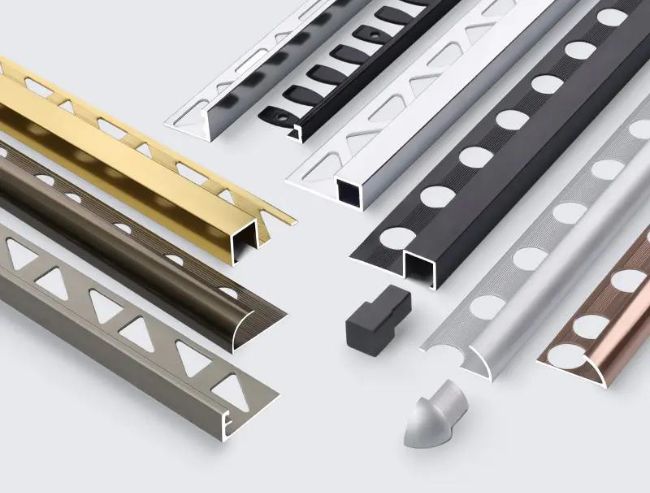
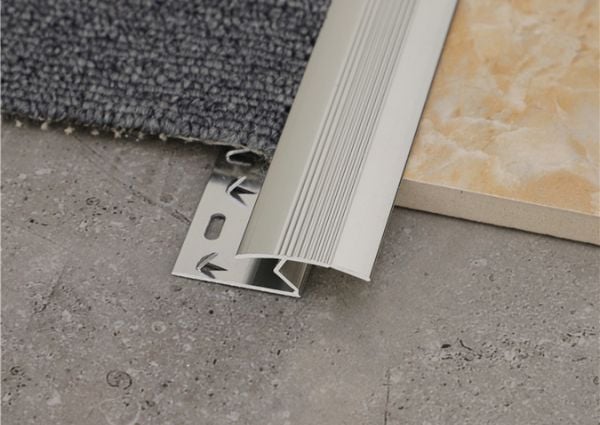
On busy commercial floors, many installers use a prefabricated tile expansion joint profile instead of a sealant-only joint.
What is an Example of a Joint Movement?
Ever wondered how massive structures like bridges or stadiums can withstand the elements? They seem so solid, but they are secretly designed to move. Without this planned movement, they would crumble under their own stress.
A classic example of a joint movement is the expansion and contraction of a bridge. You’ve probably driven over them and seen those metal-toothed gaps. These are expansion joints, a type of movement joint, that allow the bridge deck to grow and shrink with temperature changes.

Movement in Action
Let’s think about that bridge example a bit more. A steel bridge that’s a mile long can change in length by several feet between a hot summer day and a cold winter night. That’s a huge amount of movement. If the bridge were built as one solid piece, that expansion and contraction would create immense internal forces. It would buckle or even shear off its supports.
I remember walking across a long suspension bridge and really paying attention to the expansion joint. You could feel a slight bump as you crossed it, and looking down, you could see the gap. It was a powerful reminder that even the most massive, solid-looking things need the flexibility to move.
Here are a few other real-world examples:
- Building Facades: Large brick or precast concrete panel walls on buildings have vertical movement joints. These look like clean, caulked lines running from the foundation to the roof. They allow the wall panels to expand and contract without cracking.
- Concrete Slabs: Look at a large concrete area like a warehouse floor or a sidewalk. You’ll see straight lines cut into the surface. These are control joints, a type of movement joint designed to encourage cracking to happen in a neat, straight line.
- Railway Tracks: Have you ever heard the “clack-clack” sound of a train? That sound is often the wheels passing over small gaps intentionally left between sections of rail. These gaps allow the steel rails to expand in the heat without buckling the track. Modern tracks often use different methods, but the principle is the same.
In all these cases, engineers have anticipated the movement and given it a safe place to happen. It’s a fundamental principle of good construction: accommodate movement, don’t fight it.
What is a Movement Joint in Steel Structures?
Building with steel seems like the ultimate in strength and rigidity, right? But what happens when that super-strong steel gets hot? It expands. If you have a long steel beam, that expansion can cause big problems if it’s not managed.
In a steel structure, a movement joint is a separation designed to handle changes in length due to temperature. It allows different sections of the steel frame to expand or contract independently, preventing stress from building up in the connections or columns.

The Challenge of Long Steel
I was involved in the design phase of a large warehouse once. The building was going to be over 600 feet long, a massive, single-story structure with a steel frame. The lead engineer immediately flagged the need for a movement joint right down the middle of the building. His reasoning was simple: over that length, the steel roof structure could expand and contract by a couple of inches.
If we hadn’t included a movement joint, what would have happened?
- Column Bending: As the roof trusses expanded, they would have pushed outwards on the columns at either end of the building, causing them to bend. Over time, this could lead to fatigue and failure.
- Connection Stress: The bolts and welds connecting the beams and trusses would be put under immense shear and tension forces they weren’t designed for. A connection failure in a steel structure is catastrophic.
- Foundation Issues: The outward force on the columns would also transfer down into the concrete foundations, potentially causing them to shift or crack.
So, how did we create the joint? We essentially built two separate steel frames right next to each other. At the movement joint line, we had a double row of columns, one for each frame. The roof beams from each side rested on their own column, with a clear gap between them. This gap was then covered with a flexible flashing on the roof to keep the weather out. The two halves of the building were structurally independent, free to move without pushing on each other. It’s a simple solution to a powerful force of nature.
Conclusion
In the end, movement joints are simple but vital. They are the planned gaps that allow buildings to breathe, preventing cracks and ensuring everything lasts for a long, long time.