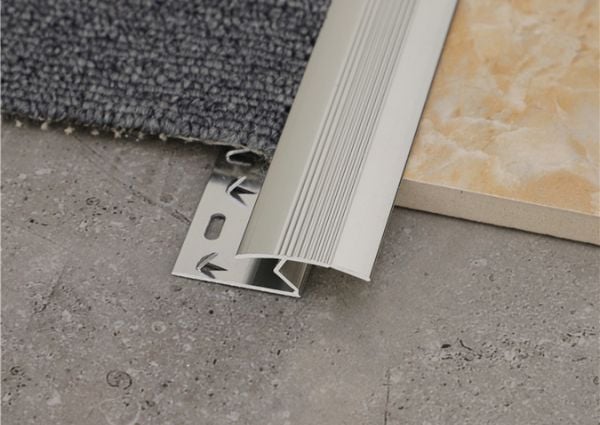
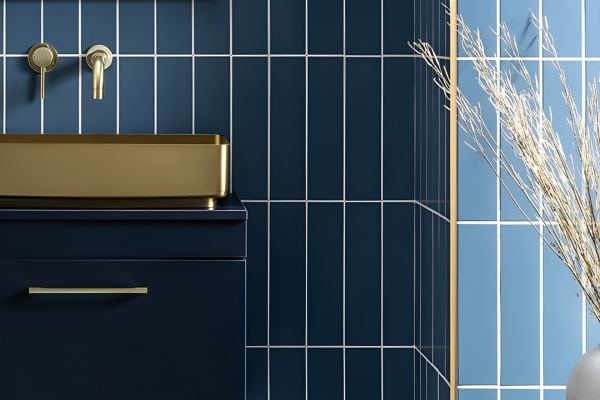
Choosing the wrong tile trim can really spoil the look of your beautiful metro tiles. It looks unprofessional and might even lead to chipped edges later on. Let me help you find the perfect trim.
For metro tiles, the best choice is often a clean-looking metal edge trim. Think L-shape or box section styles. Make sure the trim depth matches your tile thickness, like 8mm or 10mm, for protection and a neat finish.
Getting the tile trim right makes a huge difference to the final result. It’s not just about how it looks; it’s about protecting the edges of your tiles for years to come. Let’s dive deeper into the specific types and sizes that work best with those classic metro tiles.
What trim is best with metro tiles?
There are so many tile trim options out there! Which one looks great with classic metro tiles without stealing the show? Picking the wrong one can make the whole installation look cheap. I’ll show you the best options.
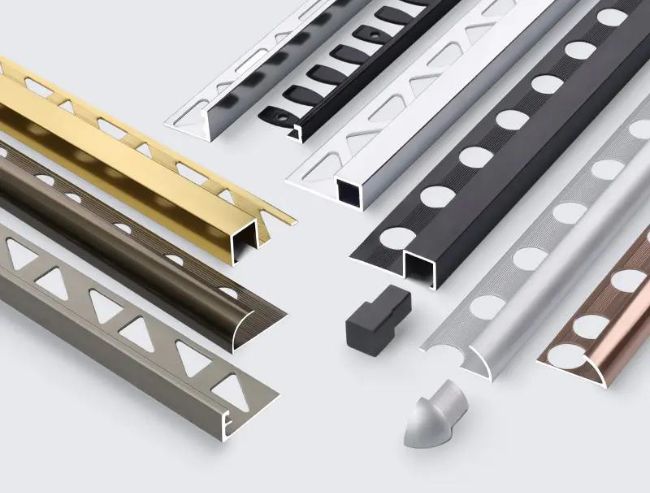
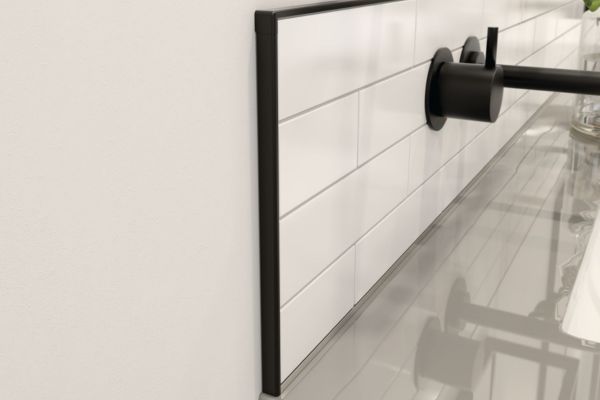
Metal trims are usually the winners for metro tiles. L-shape (straight edge) or quadrant (round edge) profiles work well. Finishes like chrome, brushed nickel, or even matt black offer durability and a modern, clean look.

Choosing the “best” trim depends a bit on the look you want. As a manufacturer at NIUYUAN, we produce a lot of trims for metro tile projects, and metal options are definitely the most popular for our wholesale clients like Sarah Johnson, who values quality and style.
Trim Profiles Explained
The profile shape affects the final look.
- L-Shape (Straight Edge): This is the most common. It gives a very clean, square finish to the tile edge. It’s minimalist and modern.
- Quadrant (Round Edge): This offers a softer, curved edge. It’s good if you want to avoid sharp corners, perhaps in a family bathroom.
- Box Section: These are chunkier and create a more defined border. They can make a statement, especially in a contrasting colour.
Material Matters
The material affects durability and where you can use the trim.
- Aluminium: Lightweight, versatile, lots of finish options (polished, brushed, powder-coated colours). Great for most indoor walls like kitchen splashbacks.
- Stainless Steel: Very durable, resistant to scratches and corrosion. Ideal for wet areas like showers or high-traffic zones. Often comes in polished or brushed finishes.
- PVC: Most budget-friendly. Available in many colours. Good for bathrooms, but less durable than metal and can fade over time.
Finishing Touches
The finish can either blend the trim in or make it stand out. Chrome or brushed nickel often match taps and shower fittings. Matt black is very popular now for a modern contrast. White can blend seamlessly with white metro tiles and grout. At NIUYUAN, we offer custom finishes for large B2B orders.
| Material | Durability | Cost | Appearance | Best for Metro Tiles? |
|---|---|---|---|---|
| Aluminium | Good | Medium | Versatile (many finishes) | Yes (most areas) |
| Stainless Steel | Excellent | Higher | Premium (polished/brushed) | Yes (esp. wet areas) |
| PVC | Fair | Low | Basic (many colours) | Yes (budget/wet areas) |
What size trim for subway tiles?
Subway tiles, just like metro tiles, come in various thicknesses. Using a trim that’s too big or too small looks awkward. You might get ugly gaps or overlaps that spoil those neat lines you wanted. I’ll explain how to choose the right size.
The tile trim size must match the thickness of your subway tile. Measure your tile carefully first. Common thicknesses are 6mm, 8mm, or 10mm. You need a trim profile with the same internal height.

Getting the size right is probably the most crucial technical step. We always advise our wholesale customers, like Sarah’s building materials company, to double-check tile thickness before placing bulk orders for trim.
Measuring for Perfect Fit
When we talk about trim size, say “8mm trim”, we mean the internal height or channel of the trim profile where the tile edge sits. It’s designed to accept a tile up to that thickness. Always measure the actual tile you are using. Don’t just rely on the box description, as slight variations can occur during tile manufacturing. Use calipers for the most accurate measurement.
Why Size Matters
- Trim too small: If the trim depth is less than the tile thickness, the tile edge will stick out beyond the trim. It looks unfinished and leaves the edge vulnerable to chipping.
- Trim too large: If the trim is much deeper than the tile, there will be a gap between the tile edge and the inside face of the trim. This gap can collect dirt and looks unprofessional. You might try to fill it with extra adhesive or grout, but it rarely looks neat. The aim is a snug, flush fit.
Standard Lengths and Cutting
Tile trims usually come in standard lengths, often around 2.5 meters (about 8 feet). You’ll need to cut the trim to the required length for your installation. A mitre box and a fine-toothed hacksaw work for most metal trims, though a power chop saw with the correct blade gives cleaner cuts, especially for thicker profiles or stainless steel. For PVC, sturdy cutters or a saw work well. We ensure our trims are easy for contractors to work with on site.
What size tile trim for 8mm metro tiles?
So, you’ve got your hands on some 8mm metro tiles. Choosing the trim size should be easy now, right? Mostly yes, but even slight differences in tile thickness can sometimes cause headaches if you’re not careful. Let’s make sure you get the perfect fit.
For metro tiles that are 8mm thick, you need an 8mm tile trim. This size refers to the internal height of the trim profile. It ensures the tile edge fits snugly inside for a clean, protected finish.
8mm is a very common thickness for ceramic metro tiles, so finding 8mm trims is usually straightforward. At NIUYUAN, 8mm is one of our standard stock sizes across various profiles and materials because we know our B2B clients need it readily available.
Understanding the “8mm” Measurement
Again, that “8mm” refers to the space inside the trim designed to receive the tile edge. The trim itself will be slightly larger overall. An 8mm L-shape trim will comfortably fit a tile that measures exactly 8mm thick, sitting flush with the tile face.
Popular 8mm Trim Options
You can find most popular trim styles in an 8mm size:
- L-Shape: The go-to for a simple, clean edge. Available in aluminium (various finishes like chrome, brushed, black, white), stainless steel, and PVC.
- Quadrant: The rounded profile is also readily available in 8mm, offering a softer look in similar materials and finishes.
- Box Section: If you prefer a bolder look, 8mm box section trims are available, often in aluminium with powder-coated finishes.
Stock and Availability
Because 8mm tiles are so common, suppliers like us keep plenty of 8mm trims in stock, especially in popular finishes like polished chrome, brushed nickel, and matt black aluminium. This ensures our wholesale customers like Sarah can get what they need quickly for their projects. What if your tile is slightly off 8mm? If it’s very close (e.g., 7.8mm to 8.2mm), an 8mm trim usually works fine. If it measures significantly thicker, say 8.5mm, you might actually need to step up to a 9mm trim to avoid the edge poking out. Always best to check with a sample if unsure. I remember a project where tiles labelled 8mm were consistently measuring closer to 8.5mm; we supplied 9mm trim for a perfect, flush result.
How do I know what tile trim to use?
Okay, you understand size now. But choosing the right trim involves more than just thickness. You need to think about the style, the material, and where it’s being used. Feeling a bit lost in the options? Worried you’ll pick something unsuitable? Here’s a simple way to decide.
Think about three key things: 1. Your tile’s thickness (this gives you the size). 2. The look you want (profile shape and finish – modern? classic?). 3. Where it’s going (material durability needed – bathroom? kitchen?). Match these factors.

Deciding on the right trim ensures your tiling project looks professional and lasts well. As a supplier, we want our customers to choose the best product for their needs. Let’s break down the decision process.
Function First
What job does the trim need to do? For metro tiles on a wall, it’s almost always about protecting the exposed edge where the tiling stops (e.g., at the end of a splashback, around a window). So, an edge trim (L-shape, Quadrant, Box) is what you need. You don’t usually need transition strips unless the metro tiles meet another floor covering.
Location Location Location
Where are the tiles being installed?
- Bathroom/Shower: High moisture means stainless steel or PVC are the safest bets to avoid corrosion or water damage over time. Aluminium can be used, but ensure it’s properly sealed or choose a high-quality anodised/powder-coated finish.
- Kitchen Splashback: Less direct water exposure means aluminium is usually perfectly fine, offering more finish choices. Stainless steel is also great for durability.
- Feature Wall (Dry Area): Any material works here, so the choice is more about aesthetics and budget.
Style and Finish Choices
How do you want it to look?
- Profile: L-shape is minimal and modern. Quadrant is softer. Box section is bolder. Choose based on your overall design.
- Finish: Do you want the trim to blend in or stand out?
- Blend: Match the tile colour (e.g., white trim with white tiles) or grout colour.
- Match Fixtures: Chrome, brushed nickel, or brass trims to match taps and handles.
- Contrast: Matt black trim against white tiles is very popular for a graphic look.
Material Considerations
Balance looks, performance, and cost.
- PVC: Lowest cost, good for wet areas, many colours, but less premium look/feel.
- Aluminium: Mid-range cost, versatile finishes, good for most areas.
- Stainless Steel: Higher cost, most durable, best for wet/high traffic areas, premium look.
| Factor | Guidance |
|---|---|
| Tile Thickness | Measure tile accurately -> Select corresponding trim internal depth (e.g., 8mm) |
| Desired Look | Choose Profile (L-shape, Quadrant, Box) & Finish (Match/Contrast/Blend) |
| Location | Consider moisture/traffic -> Choose Material (PVC, Aluminium, Stainless Steel) |
| Budget | Compare material costs vs. desired durability/appearance |
For our B2B clients like Sarah, providing samples is key so they can see the profile and finish alongside their chosen tile before committing to a large order. This helps avoid costly mistakes.
Conclusion
Choosing the right trim for your metro tiles comes down to matching the size to the tile thickness, selecting a style and finish you like, and picking a material suitable for the location. Get these right for a great finish. Need quality tile trims in various sizes and styles? We at NIUYUAN can help.