
If you are renovating your staircase or looking at a contractor’s quote, you might be asking yourself: what exactly is the stair nosing purpose?
In short, the primary stair nosing purpose is to improve stair safety by providing slip resistance and clearly defining the edge of each step. Additionally, it protects the underlying stair material—whether it’s wood, tile, or concrete—from cracking, chipping, and the heavy impact of daily foot traffic, all while giving your staircase a clean, finished look.
Often considered the unsung hero of staircase design, this crucial architectural element plays a massive role in both the longevity and safety of your stairs. In this guide, we will break down the 5 essential reasons you need stair nosings, how to choose the right material, and whether they are strictly necessary for your project.
What Exactly is Stair Nosing?
Before diving into its various purposes, let’s clearly define what we are actually talking about.
If you look at a typical staircase from the side, you will notice that the horizontal board you step on (called the tread) usually extends slightly over the vertical board beneath it (called the riser). This protruding, 90-degree edge is anatomically known as the stair’s “nose.”
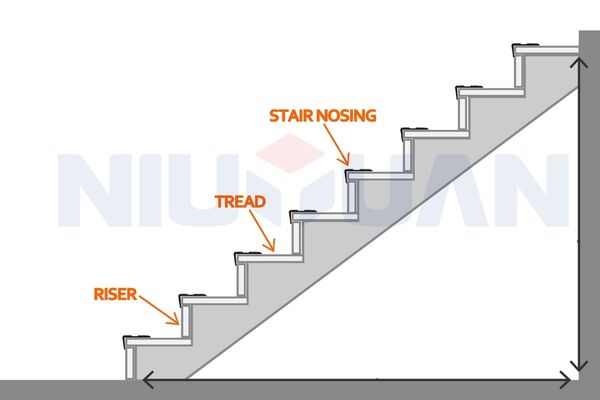
In the world of home improvement and construction, stair nosing (also commonly referred to as stair edging) refers to the specialized protective profile or strip installed directly over this exact overhanging edge.
Because this front edge bears the brunt of your body weight and foot traffic every single time you walk up or down, it is the most highly stressed and vulnerable part of the entire staircase. And that physical reality brings us directly to why these protective trims are absolutely essential.
The 5 Main Purposes of Stair Nosing
Now that we know what it is, let’s explore exactly why this small addition is considered mandatory by architects, builders, and safety experts worldwide. Here are the five primary reasons you need it:
1. Prevent Slips and Falls (The Safety Factor)
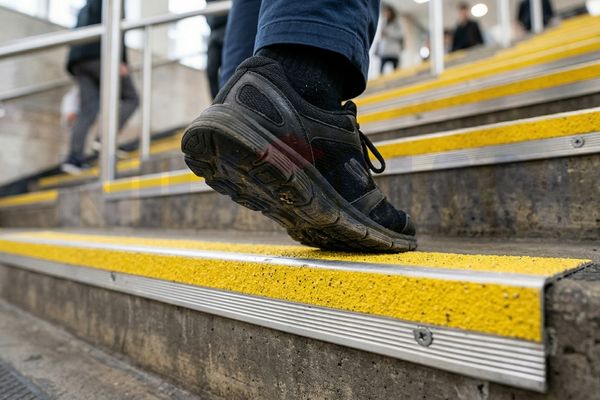
The absolute most important stair nosing purpose is safety. Staircases are inherently dangerous, and the smooth edge of a wooden or tiled step offers very little friction—especially if you are wearing socks or walking in wet conditions.
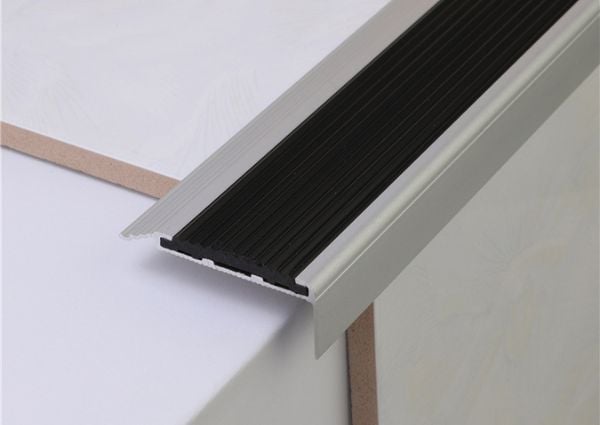
Stair nosings are specifically manufactured with anti-slip textures, grooved channels, or rubber inserts that provide extra grip right where your foot lands. By dramatically increasing traction, they act as your first line of defense against slips, trips, and severe fall accidents, keeping your family, customers, or tenants safe.
2. Protect Stair Edges from Damage (The Durability Factor)
Think about how you walk up and down stairs. The majority of your body weight and the heavy impact of your shoes hit the very front edge of the step. Over time, this concentrated force causes wood to splinter, carpet to fray, and expensive tile or vinyl planks to chip and crack.
Installing a robust stair nosing profile—such as aluminum or heavy-duty PVC—absorbs the brunt of this daily foot traffic. It wraps around the vulnerable 90-degree angle like a protective shield, preserving the underlying material and saving you from costly and premature stair replacements.
3. Enhance Visual Contrast (The Visibility Factor)
Have you ever misjudged a step in a dimly lit basement or a movie theater? When steps are made of the exact same material and color, they can blend together, making it incredibly difficult for the human eye to distinguish where one step ends and the next begins.
A key purpose of stair nosing is to provide clear visual contrast. By using a color or material that stands out against the rest of the stair tread, it highlights the exact boundary of the drop-off. This improves depth perception and is especially critical for the elderly and visually impaired individuals.
4. Meet Building Codes & Reduce Liability (The Compliance Factor)
If you are renovating a commercial building, an office, or an apartment complex, installing stair nosings is rarely optional—it is a legal requirement.
Strict building codes and safety regulations (such as the ADA guidelines in the United States or similar OSHA standards) mandate the use of high-contrast, slip-resistant stair edges in public spaces. The purpose here is two-fold: to ensure maximum public safety and to protect property owners from devastating legal liabilities and lawsuits resulting from slip-and-fall accidents on their premises.
5. Upgrade the Aesthetics and Hide Flaws (The Style Factor)
Finally, stair nosings serve a brilliant cosmetic purpose. When installing new flooring like luxury vinyl planks (LVP), laminate, or tile on stairs, the cut edges where the tread meets the riser can often look raw, sharp, or uneven.
A well-chosen stair edge trim perfectly conceals these imperfect gaps and joints, providing a seamless, clean transition. Whether you choose a sleek, modern aluminum profile or an elegant brass finish, it acts as the ultimate finishing touch that ties the whole staircase design together.
Do I Really Need Stair Nosing for My Project?
The short answer is: almost certainly, yes. However, the level of necessity heavily depends on where the stairs are located and who will be using them.
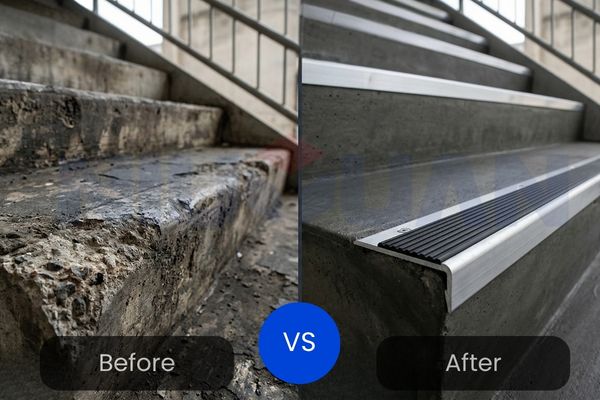
To help you decide whether stair nosing is a “nice-to-have” upgrade or a “must-have” requirement for your specific situation, we have broken it down into two main categories:
Quick Decision Guide: Residential vs. Commercial Stairs
| Feature / Scenario | Residential Projects (Homes) | Commercial Projects (Public Spaces) |
| Is it Legally Required? | Usually optional (check local codes). | Strictly Mandatory (ADA, OSHA, etc.). |
| Primary Goal | Protect family (kids/seniors/pets) & prevent wear on stairs. | Prevent public slips, ensure code compliance & avoid lawsuits. |
| Traffic Level | Low to Medium (daily family use). | High to Extreme (heavy foot traffic, carts). |
| Top Material Choice | PVC, Wood, or lightweight Aluminum. | Heavy-duty Aluminum, Stainless Steel, Brass. |
For Homeowners (Residential Projects)
If you are upgrading your own home, installing stair nosing is technically optional in most residential building codes. However, it is highly recommended. If you have young children running around in socks, elderly family members with mobility issues, or pets that struggle with smooth wooden steps, adding that extra grip is a priceless investment in your family’s safety.
Furthermore, if you just spent a significant amount of money installing beautiful hardwood or luxury vinyl tile (LVT) on your stairs, leaving the edges exposed is a guaranteed way to see them chip and degrade within a few years.
For Contractors and Business Owners (Commercial Projects)
If you are working on a commercial property—such as an office building, a retail store, a hotel, or an apartment complex—stair nosing is not optional; it is mandatory.
Local building authorities and accessibility regulations (like the Americans with Disabilities Act – ADA) require public stairways to have slip-resistant, highly visible contrasting edges. Skipping this step during construction or renovation will not only lead to failed building inspections, but it also leaves property owners fully exposed to devastating liability claims if a customer or tenant slips and falls.
Common Materials for Stair Edges
Understanding the stair nosing purpose is only the first step; selecting the right “armor” for your staircase is equally important. The material you choose will depend heavily on your budget, the traffic level of the area, and your desired aesthetic.
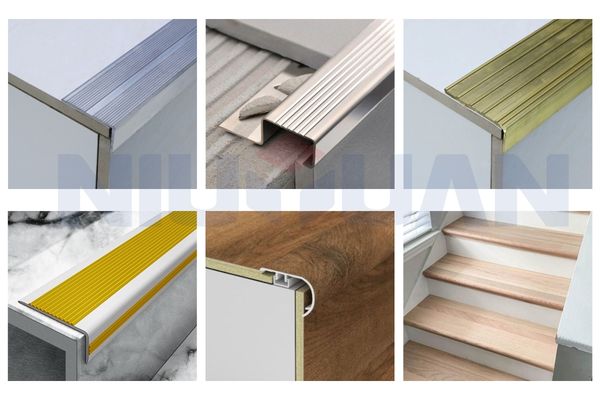
Here is a breakdown of the most widely used stair edging materials and where they perform best:
Aluminum (The Versatile All-Rounder)
Aluminum is undoubtedly the most popular material for stair trims, and for good reason. It is exceptionally lightweight yet highly durable, naturally rust-proof, and highly resistant to daily wear.
Best Application: Aluminum Stair Nosing is the go-to choice for almost any scenario—from residential exterior steps to high-traffic commercial buildings. It often comes anodized in various colors (like silver, black, or champagne) and frequently features grooved channels or rubber inserts for maximized traction.
Stainless Steel (For Heavy-Duty & Industrial Spaces)
When extreme durability is the top priority, stainless steel stair nosing is the ultimate solution. It offers exceptional mechanical strength and unparalleled corrosion resistance, meaning it will not degrade even under harsh chemical cleaning or severe outdoor weather conditions.
Best Application: Food processing plants, hospitals, severe industrial environments, or modern commercial centers that desire a sleek, heavy-duty, and hardcore industrial aesthetic.
Brass (The Premium & Elegant Option)
Brass stair nosing is synonymous with luxury. While it functions just as well as other metals in terms of edge protection, its standout feature is its appearance. Over time, solid brass naturally oxidizes, developing a rich, vintage patina that adds incredible character to a space.
Best Application: High-end boutique hotels, historic building restorations, theaters, and luxury residential villas. It pairs beautifully with dark hardwood stairs or premium carpet runners.
PVC and Rubber (Maximum Grip & Cost-Effective)
If you are looking for a highly functional, budget-friendly option, PVC (Polyvinyl Chloride) or rubber stair strips are excellent choices. These materials inherently offer a high coefficient of friction, meaning they are incredibly slip-resistant even when completely wet. They also provide a slightly softer edge impact compared to cold metal.
Best Application: Schools, gymnasiums, residential basements, garages, and budget-conscious commercial renovations where safety is the priority over premium aesthetics.
Wood (For Seamless Blending)
For homeowners who want their stair edge to perfectly match their hardwood steps, wooden nosing is the traditional choice. Rather than standing out, it blends in, creating a continuous, flush surface.
Best Application: Strictly for indoor, residential use. Keep in mind that while wood looks beautiful, it lacks the extreme slip resistance and impact durability of metal or PVC, meaning it may eventually show signs of wear and tear.
Final Thoughts & Where to Get Your Stair Nosing
Ultimately, the stair nosing purpose goes far beyond a simple visual upgrade. Whether you are protecting your newly installed flooring, ensuring the safety of your family, or meeting strict commercial building codes, this small architectural detail is a critical investment in the longevity and security of any staircase.
If you are a homeowner tackling a quick weekend DIY renovation for a single staircase, you can typically find standard stair edge trims at your local home improvement retailer.
But what if you are a contractor, builder, or building material distributor?
When outfitting large-scale commercial projects, apartment complexes, or stocking your retail shelves, buying in bulk directly from a trusted manufacturer is the smartest way to control quality and reduce costs.
At NIUYUAN, we operate a dedicated B2B wholesale factory in China, specializing in manufacturing premium aluminum, stainless steel, brass, and PVC stair nosings. With five advanced production lines and years of experience exporting to demanding markets across North America, Europe, the Middle East, and Australia, we deliver the commercial-grade durability and code compliance your projects require.
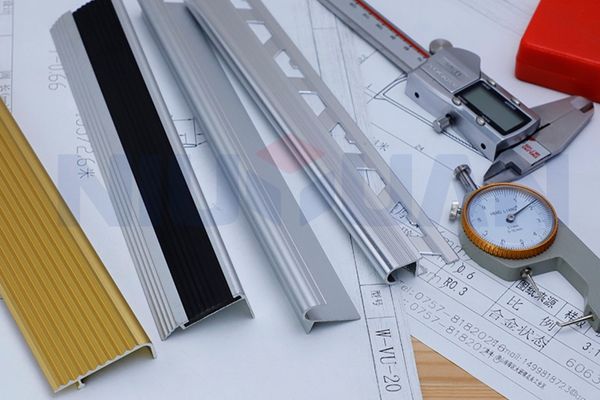
Don’t compromise on safety or style. If you are looking for reliable wholesale supplies, custom sizes, or highly competitive factory-direct pricing, we are here to help.
Ready to secure the best materials for your next project? Contact our expert team today at info@niuyuantrims.com or visit www.niuyuantrims.com to request a free product catalog and a custom quote!