
Tired of seeing those ugly, unfinished tile edges? They can crack and look messy. Tile trim is the simple fix for a clean, professional finish that protects your tile.
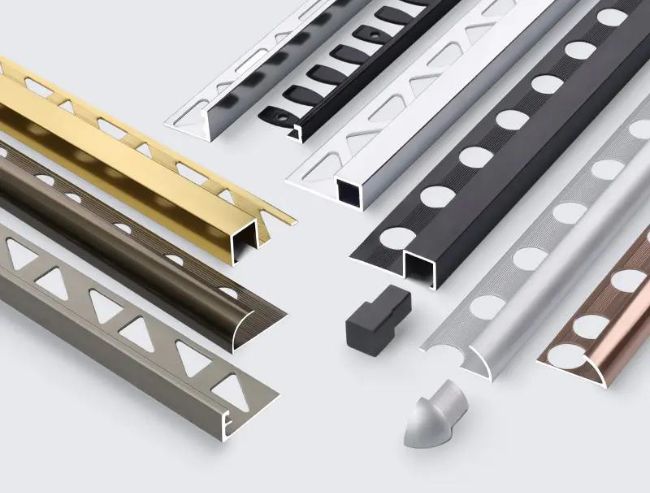
Tile trim is used to cover the exposed, unglazed edges of tiles. It provides a clean, finished look, protects the tile from chipping, and conceals sharp edges that could be a safety hazard. It’s a finishing piece that bridges the gap between the tiled surface and another surface.
I used to think tile trim was just a minor detail, something you could easily skip to save a few bucks. But after my first DIY tiling project, I quickly learned my lesson. Those exposed tile edges in my bathroom looked so unprofessional and started gathering all sorts of grime. It drove me crazy!
Since then, I’ve become a huge believer in the power of tile trim. It’s that final touch that really elevates the entire look of a tiled space, taking it from amateur to amazing. Trust me, it’s a small component that makes a huge difference in both the appearance and longevity of your hard work.
Is Tile Trim Necessary?
Worried that your beautiful new tile job will look unfinished? Without trim, exposed tile edges can look raw and are prone to chipping. This can ruin the whole look.
While not always structurally essential, tile trim is highly recommended for a professional and durable finish. It protects vulnerable tile edges from damage and creates a polished, clean appearance that significantly enhances the overall aesthetic of any tile installation. For me, it is a must-have.

When I was redoing my guest bathroom, I debated whether I really needed to spend the extra money and time on tile trim. I was on a tight budget, and it seemed like an easy corner to cut. I decided against it for the shower niche, thinking it wouldn’t be that noticeable. Big mistake. Within a few months, I saw tiny chips forming along the exposed porcelain edges. Not only did it look bad, but it also created sharp spots.
I learned the hard way that “necessary” can mean more than just structural. It’s necessary for durability and for achieving a look you’ll be happy with for years to come. It’s the difference between a project that looks “done” and a project that looks “done right.” From my experience, skipping the trim is one of the biggest regrets you can have after a tiling project. It’s a small cost that prevents much bigger headaches down the road.
Where are Tile Trims Used?
Ever wonder how to get that clean, seamless look where tile meets another surface? Just stopping the tile can leave a messy, jagged edge that collects dirt and looks unfinished.
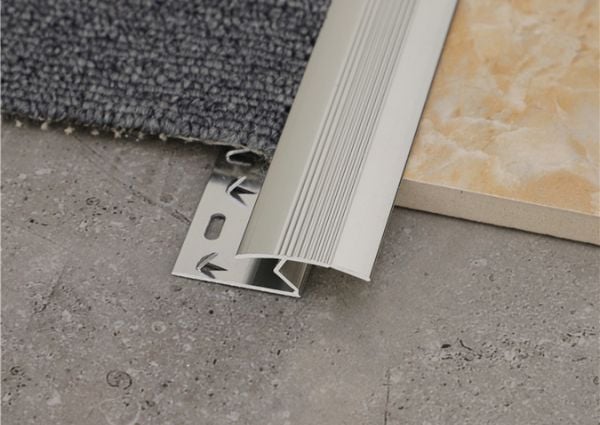
Tile trims are used wherever a tiled surface ends. This includes the outer edges of walls, floors, backsplashes, and shower niches. They are also used to frame windows and create a transition between tile and another flooring material like wood or carpet.

I’ve used tile trim in almost every room of my house at this point. It’s incredibly versatile. The most obvious place is on the edges of a tiled wall, like in a shower or a wainscot. Instead of seeing the side of the tile, you get a clean line. But it goes way beyond that. I used it to frame the window in my kitchen, which is set into a tiled wall. It created a perfect, waterproof seal and a really high-end look. Another key area is flooring transitions.
In my hallway, I have tile that meets hardwood flooring. A metal transition strip covers that gap perfectly, protecting the edges of both the tile and the wood and preventing a trip hazard. It really is the secret to a polished and professional-looking tile job.
| Location | Common Use for Tile Trim | Why It’s Important |
|---|---|---|
| Shower Walls | Along the vertical edges and around niches. | Prevents water from getting behind the tile and protects the sharp edges. |
| Flooring | At doorways or where tile meets another flooring type. | Creates a smooth transition and protects the tile edge from foot traffic. |
| Backsplashes | On the top and side edges that are exposed. | Provides a clean, finished look and makes cleaning easier. |
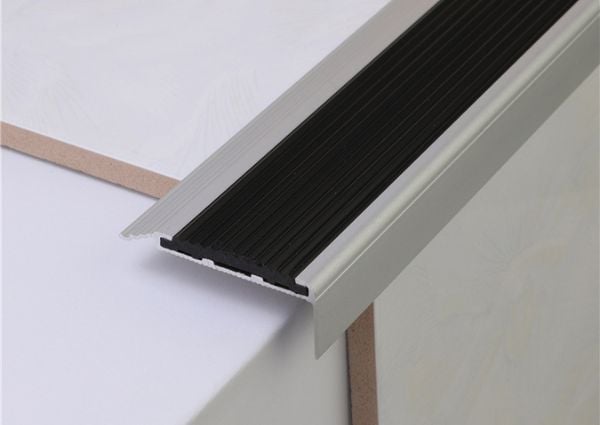
| Stairs | On the edge of each step (the nosing). | Adds durability and slip resistance to the most high-impact area. |
| Countertops | Along the front edge of a tiled countertop. | Protects the tile from chipping and creates a comfortable, rounded edge. |
Where Do You Need Tile Trim?
You’re standing in your half-finished bathroom, looking at the raw edge of your new tile. You know it doesn’t look right. Leaving it exposed just invites trouble later on.
You need tile trim in any spot where the unglazed edge of a tile is left exposed. This is critical on outside corners, the top of a tiled half-wall (wainscot), around shower niches, and along the perimeter of a tile floor that doesn’t butt up against a wall.

Let’s break down exactly where these finishing pieces become non-negotiable. Outside corners are probably the most important spot. Think about the corner of a tiled pony wall or the edge of a shower curb. These areas get bumped and knocked all the time. Without a sturdy trim, like a metal tile trim, those corners will chip almost immediately. I learned this from experience in my first apartment. The tiled kitchen island had so many dings on the corners. Another place I always use it is at the top of a backsplash or a tiled wall that doesn’t go to the ceiling.
It just provides a deliberate stopping point. Without it, the top edge looks abrupt and unfinished. And for floors, if your tile isn’t going wall-to-wall, you absolutely need a transition strip. It protects that edge from chipping and cracking under the stress of people walking on it. It’s all about protecting the investment you’ve made in your tile.
Do I Need Tile Trim for a Backsplash?
Your kitchen backsplash is almost done, but the edges look unfinished. You’re wondering if you can just caulk it and call it a day. That might work, but it won’t look professional.
Yes, you almost always need tile trim for a backsplash to get a clean, polished look. It finishes the exposed top and side edges, hides the unglazed side of the tile, and makes the whole area easier to clean by sealing the edge.

I get this question a lot. For a kitchen or bathroom backsplash, the trim is what makes it look complete. Imagine your beautiful new tile, and then at the top, you just see the raw, dull edge of the ceramic or porcelain. It instantly cheapens the look. I installed a herringbone backsplash in my friend’s kitchen last year. We used a simple, white pencil liner trim along the top and down the sides where it met the painted wall. The difference was night and day.
It created this perfect frame for the tile pattern. You could just run a bead of caulk along the top, but it rarely looks as crisp and clean. Plus, a trim piece provides a much more durable edge. It protects those top tiles from getting knocked by pots, pans, or anything else you might have on your counter. It’s a small detail that has a huge impact on the final result. If your backsplash ends at a cabinet or a wall on the side, you might not need it there, but for any exposed edge, I would say it’s essential.
Conclusion
In short, tile trim is essential for protecting tile edges and giving your project a professional, finished look. It’s a small detail that makes a big difference in appearance and durability.
If you need to purchase or customize tile trims in the near future, please feel free to contact us.