
Worried your shiny aluminum might turn into a pile of reddish-brown dust? You want it to last. I’ll explain what really happens to aluminum.
No, aluminum doesn’t “rust” in the traditional sense like iron or steel. It undergoes a different process called oxidation, forming a protective layer. This layer prevents further corrosion.
So, if it’s not rusting, what exactly is happening to my aluminum patio furniture when I leave it out in the rain? And how does this compare to other metals? Let’s explore this a bit more. It’s quite interesting how different materials react to the environment. Understanding this can save you a lot of trouble and money in the long run.
How long will it take for aluminum to rust?
Wondering if your aluminum will degrade over time? You need to know its lifespan. Aluminum doesn’t rust, but it does change. Let’s see how quickly.
Aluminum doesn’t rust, so it won’t take any time to “rust.” Instead, it rapidly forms a protective aluminum oxide layer almost instantly when exposed to oxygen. This layer prevents rust.
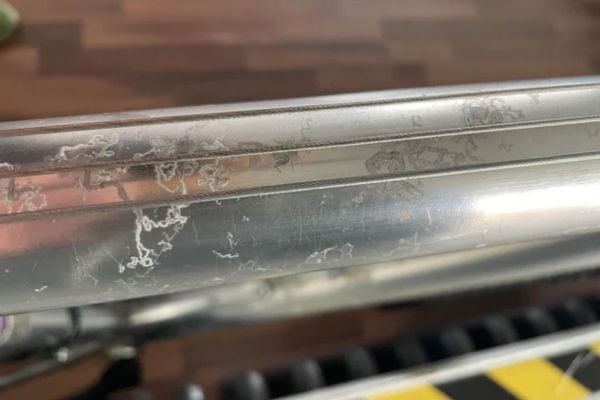
This process of forming an oxide layer is super quick. I remember when I first got some aluminum camping gear. I was so worried about it getting ruined in the damp woods. I kept checking it every morning, expecting to see some kind of decay. But after a while, I noticed it just looked a bit duller, not rusty like my old steel tools had become in similar conditions. That’s when I learned about this oxide layer. It’s like aluminum has its own built-in shield. The speed is really impressive. We’re talking about it forming in seconds, not days or weeks like rust might take to appear on iron.
Understanding Aluminum Oxidation
This oxide layer, chemically known as aluminum oxide ($Al_2O_3$), is very thin, usually only a few nanometers. But despite being thin, it’s quite tough and sticks really well to the aluminum underneath. This is what gives aluminum its excellent corrosion resistance.
What affects this protective layer?
- Environment: If the aluminum is in a very harsh environment, like near the coast with salty air or in areas with a lot of industrial pollution and acid rain, the oxide layer can be challenged or break down more easily in specific spots.
- Alloys: Pure aluminum forms a very good, consistent oxide layer. Some aluminum alloys, which are mixtures of aluminum with other metals, might behave a bit differently. Their corrosion resistance can vary based on what they’re mixed with.
Here’s a simple way to see the main differences between rust and aluminum oxidation:
| Feature | Rust (Iron Oxide) | Aluminum Oxide |
|---|---|---|
| Metal Involved | Iron, Steel | Aluminum |
| Appearance | Reddish-brown, flaky, porous | White, powdery, or dull gray, hard |
| Effect on Metal | Destructive, continues to corrode deep | Protective, prevents further corrosion |
| Formation Speed | Can take hours or days to become visible | Forms almost instantly on exposure to air |
So, the key thing is that aluminum protects itself, and it does it fast.
Will aluminum rust if it gets wet?
Concerned about rain damaging your aluminum items? You want to keep them pristine. Water affects metals, but aluminum reacts uniquely. I’ll explain.
No, aluminum will not rust if it gets wet. Water, or more specifically the oxygen in water and air, actually helps form its protective aluminum oxide layer. However, prolonged exposure to certain conditions can still affect its appearance.
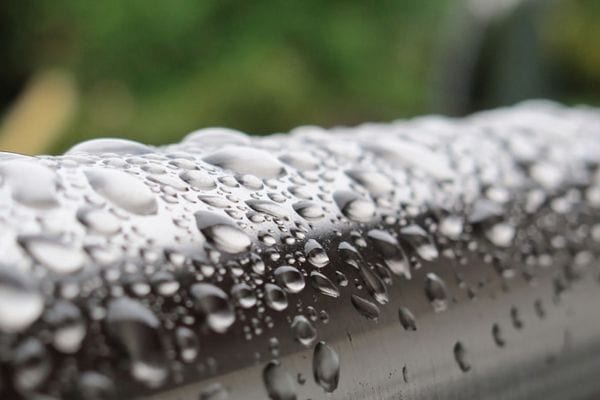
I used to think any metal left in the rain was doomed for sure. I recall leaving an aluminum ladder outside for weeks during a particularly rainy season. I was busy and just forgot about it. When I finally remembered and went to check it, I was expecting to see the worst. But there was no red rust at all, just some water stains that mostly wiped off. It was perhaps a bit duller than before, but it was structurally completely fine. That experience really showed me how different aluminum is from steel.
Aluminum and Water Interaction
Water itself isn’t the enemy of aluminum in the way it is for iron. In fact, oxygen (which is in water and air) is essential for that protective aluminum oxide ($Al_2O_3$) layer to form. So, getting wet isn’t inherently bad for aluminum. The oxide layer is quite stable in neutral pH water.
However, there are some things to keep in mind with prolonged wetness or specific water types:
- Staining: While not corrosion, water can leave behind mineral deposits or dirt as it dries. This can cause stains or water spots on the aluminum surface, making it look less appealing.
- Pitting Corrosion: In certain environments, especially those with high chloride concentrations (like saltwater spray near the ocean, or areas where de-icing salts are used heavily in winter), prolonged wetness can lead to a localized form of corrosion called pitting. Tiny holes or pits can form on the surface.
- Galvanic Corrosion: This is a more complex issue. If aluminum is in direct electrical contact with a different, more “noble” metal (like copper or even stainless steel in some cases) and they both get wet with an electrolyte (like salty water), the aluminum can corrode preferentially. It acts as the “sacrificial” metal. I once saw this on an old boat where aluminum parts were bolted directly with stainless steel screws without any separation, and the area around the screws showed significant corrosion after years in saltwater.
Keeping Your Aluminum Looking Good When Wet:
- It’s a good idea to wipe aluminum items down after they get significantly wet, especially if the water might be salty or carry pollutants.
- Try to avoid constant, direct contact between aluminum and dissimilar metals in wet conditions, or use insulating washers or coatings.
- For aluminum in very harsh marine or industrial environments, additional protective coatings like powder coating or anodizing are often used.
What metal is rust proof?
Searching for a metal that never corrodes? You want something truly indestructible. Some metals resist rust much better than others. Let’s find out which.
Truly “rust proof” is rare, as most metals will react with their environment in some way over time. However, noble metals like gold and platinum are highly resistant to corrosion and what we typically call rust. Stainless steel also offers excellent rust resistance.

It’s a common dream to find a metal that just stays perfect forever, isn’t it? I remember my grandfather had an old stainless steel watch. He wore it for decades – swimming, gardening, doing all sorts of work. It never showed a speck of rust. That really made me curious about what makes some metals so tough and seemingly immune to the decay I saw on other metallic objects. While the term “rust proof” is a very strong claim, and few things are truly eternal, some metals come exceptionally close when it comes to resisting corrosion.
Exploring Corrosion-Resistant Metals
First, let’s be clear. “Rust” specifically refers to iron oxide, the reddish-brown stuff that forms on iron and regular steel. So, technically, only iron-containing metals can “rust.” Other metals corrode in different ways. When people say “rust proof,” they usually mean highly resistant to any form of corrosion.
Metals Highly Resistant to Corrosion:
- Noble Metals:
- Gold (Au): Gold is famous for being extremely unreactive. It doesn’t readily form compounds with oxygen or other elements. This is why ancient gold artifacts can still look brilliant after centuries. It’s heavily used in jewelry and critical electronic components where reliability is key.
- Platinum (Pt): Similar to gold, platinum is highly resistant to corrosion and tarnish. It’s even more stable than gold in some harsh chemical environments. You’ll find it in catalytic converters, laboratory equipment, and high-end jewelry.
- Stainless Steel: This isn’t a single metal but an alloy, primarily of iron, but with at least 10.5% chromium. The chromium is the magic ingredient. It reacts with oxygen to form a very thin, passive, and protective layer of chromium oxide on the surface. This layer is self-repairing; if it gets scratched, a new layer forms. This is why stainless steel knives and kitchen sinks stay bright.
- Titanium (Ti): Titanium is another star performer. It’s strong, lightweight, and exceptionally corrosion-resistant due to a very stable, adherent, and protective oxide layer that forms spontaneously in the presence of oxygen. It’s a top choice for aerospace applications, medical implants (because it’s biocompatible), and high-performance sports equipment.
Here’s a quick comparison:
| Metal | “Rust Proof” / Corrosion Resistance Level | Key Feature for Resistance | Common Applications |
|---|---|---|---|
| Gold | Extremely High | Naturally very unreactive | Jewelry, electronics, dentistry |
| Platinum | Extremely High | Naturally very unreactive | Catalytic converters, jewelry, lab gear |
| Stainless Steel | High | Passive chromium oxide layer | Cookware, cutlery, architecture, medical |
| Titanium | Very High | Stable protective titanium oxide layer | Aerospace, medical implants, marine gear |
| Aluminum | Good (against its own type of corrosion) | Protective aluminum oxide layer | Window frames, cans, aircraft, cookware |
While aluminum isn’t “rust proof” in the same league as gold, its self-protecting oxide layer makes it highly resistant to the kind of destructive corrosion that plagues iron.
Does aluminum tarnish or rust?
Confused if your aluminum is tarnishing or rusting? You see changes on its surface but aren’t sure what they mean. I’ll clarify the difference for aluminum.
Aluminum does not rust because rust is iron oxide. It can, however, develop a dull, chalky, or white appearance over time. This is due to the formation and thickening of its protective aluminum oxide layer, which some might consider a form of tarnish.

I once bought some lovely brushed aluminum picture frames. They looked fantastic and modern. Over time, they didn’t get those ugly red-brown rust spots I’d seen on old steel gates, but they did lose some of their initial sharp shine and looked a bit… flat or matte. I wondered if that was tarnish. It’s important to use the right words to understand what’s happening. “Rust” is very specific, and aluminum simply can’t do it.
Tarnish vs. Rust on Aluminum
Let’s break down these terms:
- Rust: This term is exclusively reserved for iron oxide ($Fe_2O_3$ or similar forms), the reddish-brown, flaky substance that forms when iron or steel (which is mostly iron) corrodes. Since aluminum ($Al$) contains no iron ($Fe$), it cannot rust. Period.
- Tarnish: This is a more general term for a thin layer of corrosion that forms on the surface of certain metals, resulting in discoloration. For example, silver tarnishes by forming silver sulfide (black), and copper can form a green patina (copper carbonate). Tarnish is usually a surface phenomenon and doesn’t always compromise the metal’s integrity as much as rust does with iron.
- Aluminum Oxidation: When aluminum is exposed to oxygen in the air or water, it very quickly forms a layer of aluminum oxide ($Al_2O_3$). This layer is typically hard, thin, and transparent when first formed, so the aluminum retains its metallic luster. However, over time or under certain environmental conditions (like high humidity, salt exposure, or pollutants), this oxide layer can become thicker, more visible, and may appear dull, white, or chalky. You could consider this aluminum’s version of “tarnish,” though its primary function is protective.
What Does Oxidized Aluminum Look Like?
- New/Clean Aluminum: Bright, metallic shine.
- Mild Oxidation: The surface might look slightly less reflective or a bit duller.
- Heavier Oxidation/Staining: It can appear more uniformly dull gray, whitish, or even develop a powdery white surface. Sometimes, if exposed to specific chemicals or prolonged moisture with impurities, it can also get stained.
If your aluminum has become dull and you want to restore its shine, you can often clean it. For minor dullness, a simple wash with soap and water might be enough. For more significant discoloration or to bring back a brighter shine, specialized aluminum cleaners or a very gentle abrasive polish (like a paste made from baking soda and water, or a commercial aluminum polish) can be used. These methods essentially clean or very slightly thin the existing oxide layer, removing surface contaminants or irregularities, allowing a fresh, smoother oxide layer to form, or simply revealing the cleaner metal underneath. Always test in an inconspicuous area first.
Conclusion
Aluminum doesn’t rust like iron does. Instead, it forms its own protective oxide layer very quickly. This makes aluminum a durable and useful material for many things.